HealthcareLink
Role
UI/UX Designer
Scope
Minimum Viable Product
Platform
SaaS Dashboard
Time Frame
12 days
Problem Finding
Fragmented Data, Frustrated Healthcare Providers
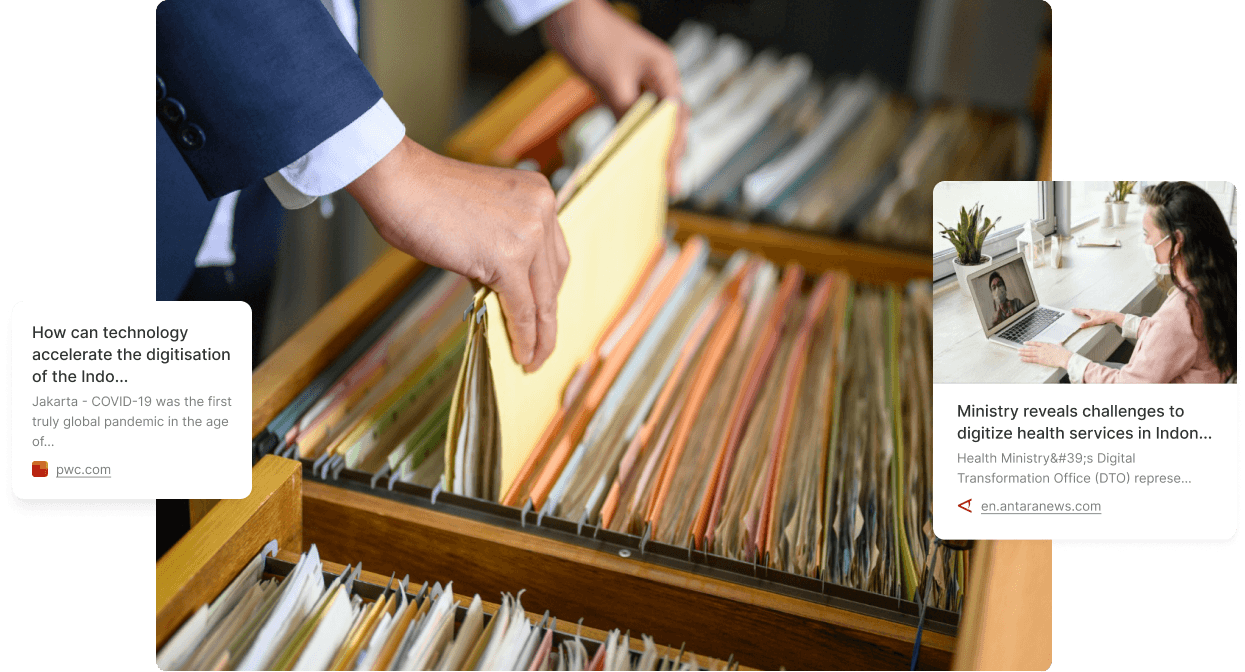
Healthcare providers in Indonesia, including clinics and independent practitioners, frequently encounter significant obstacles in managing their operations efficiently. One of the primary challenges is data fragmentation, where critical patient information is dispersed across multiple systems and formats that are not integrated. This disjointed flow of information makes it difficult for healthcare providers to access comprehensive patient records, slowing down operations and affecting the quality of care. Without seamless access to complete data, both administrative tasks and patient care become less efficient.
In addition to data fragmentation, many clinics still rely on manual processes for routine administrative tasks such as appointment scheduling, payment processing, and patient communication. This increases the burden on staff, leading to a greater risk of errors and inefficiencies. As a result, healthcare providers face an uphill battle in maintaining operational effectiveness, with significant strain placed on both staff and the overall patient experience.
About HealthcareLink
Streamlining Healthcare Operations for Better Patient Care
HealthcareLink is a cloud-based Clinic Management System solution crafted to streamline healthcare operations by integrating essential functions into a single, user-friendly platform. By addressing the prevalent issue of data fragmentation, HealthcareLink connects key components such as patient information management, scheduling, billing, and analytics. This holistic approach not only simplifies administrative tasks but also enhances the accuracy and efficiency of daily operations. Clinics can seamlessly access and manage vital information, ultimately leading to improved patient care and a more organized workflow.
As a B2B company, HealthcareLink focuses on delivering tailored Clinic Management System solutions specifically designed for healthcare providers. By understanding the unique challenges faced by clinics and independent practitioners, HealthcareLink empowers them to optimize their operations and foster better patient relationships. With the integration of advanced technology, clinics can enhance their productivity and focus on what truly matters—providing exceptional care to their patients while efficiently managing their resources.
Target User
Supporting Healthcare Heroes in Their Daily Challenges

Healthcare Providers
Clinics, independent practitioners, and other healthcare institutions.
The primary users:
Clinic Staff + Cashiers
Clinic Managers or Owners
Doctors or Healthcare Professionals
HealthcareLink is designed to support the daily challenges faced by healthcare providers, including clinics, independent practitioners, and larger institutions. By offering tailored solutions, it meets the specific needs of essential users—clinic staff managing operations, cashiers processing payments, clinic managers overseeing efficiency, and doctors delivering patient care. HealthcareLink prioritizes these roles to ensure smooth clinic operations.
Objectives
Transforming Clinic Operations with Essential Tools
HealthcareLink CMS (Clinic Management System) is an MVP (Minimum Viable Product) designed to provide clinics with the most essential features they need to operate efficiently. The key features include:
Patient Information Management (EMR)
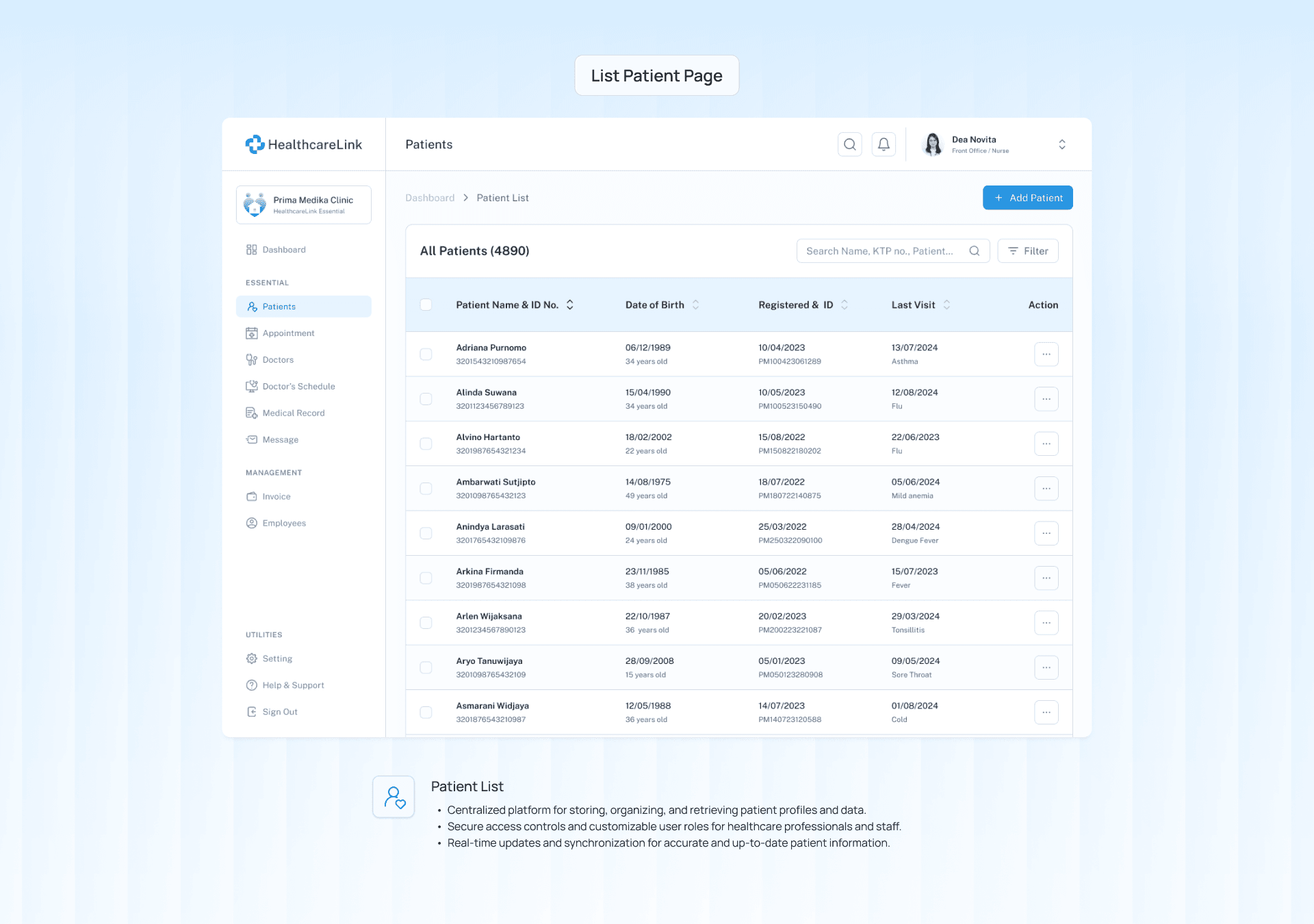
Centralized platform for storing, organizing, and retrieving patient profiles and data.
Secure access controls and customizable user roles for healthcare professionals and staff.
Real-time updates and synchronization for accurate and up-to-date patient information.
Appointment Scheduling (CMS)
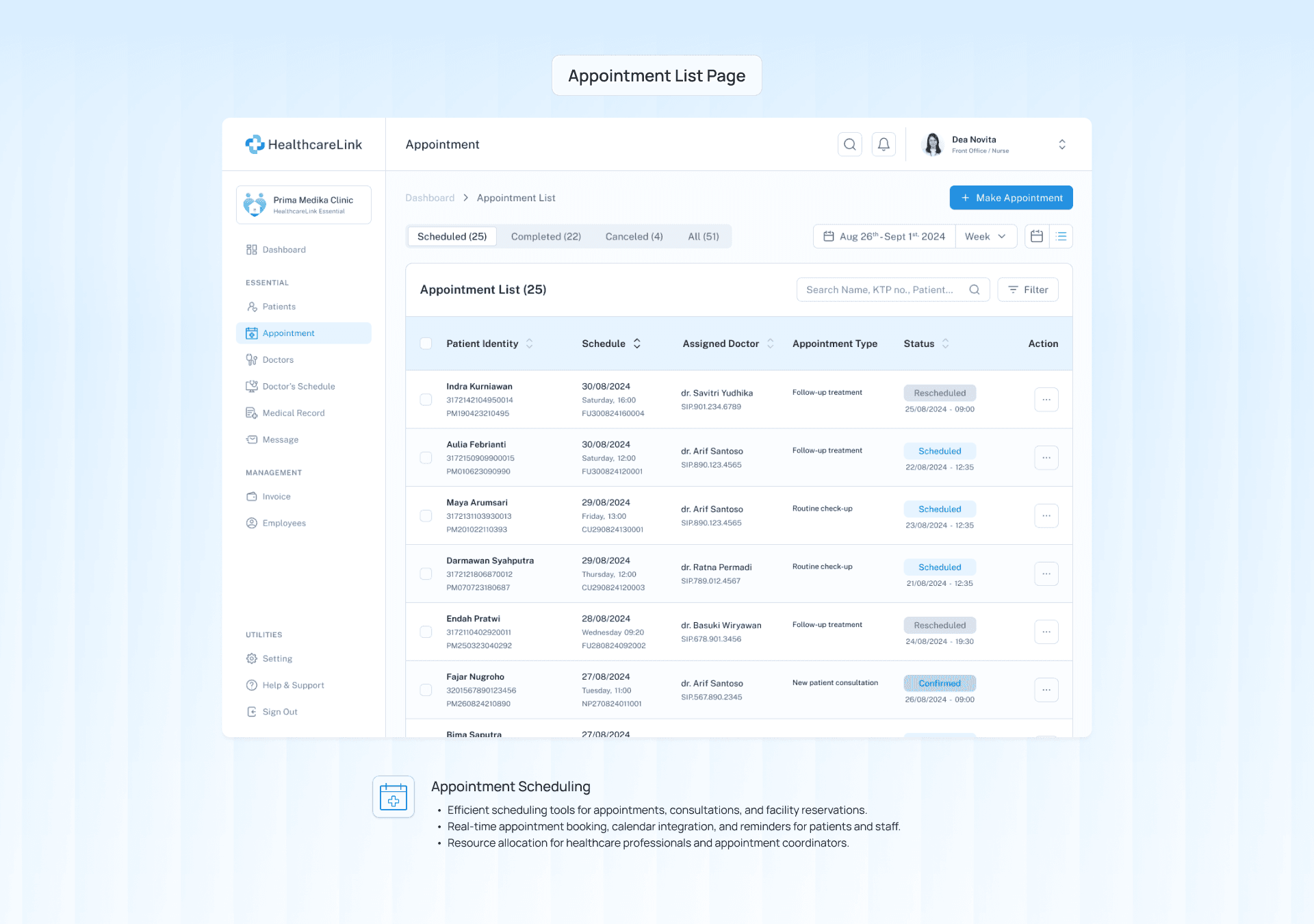
Efficient scheduling tools for appointments, consultations, and facility reservations.
Real-time appointment booking, calendar integration, and reminders for patients and staff.
Resource allocation for healthcare professionals and appointment coordinators.
Billing and Payment Processing
Integrated payment processing, allowing patients to securely pay for services.
Automated billing and invoicing, with payment reminders and alerts.
Integration with payment gateways and accounting software.
Engagement and Communication (CRM)
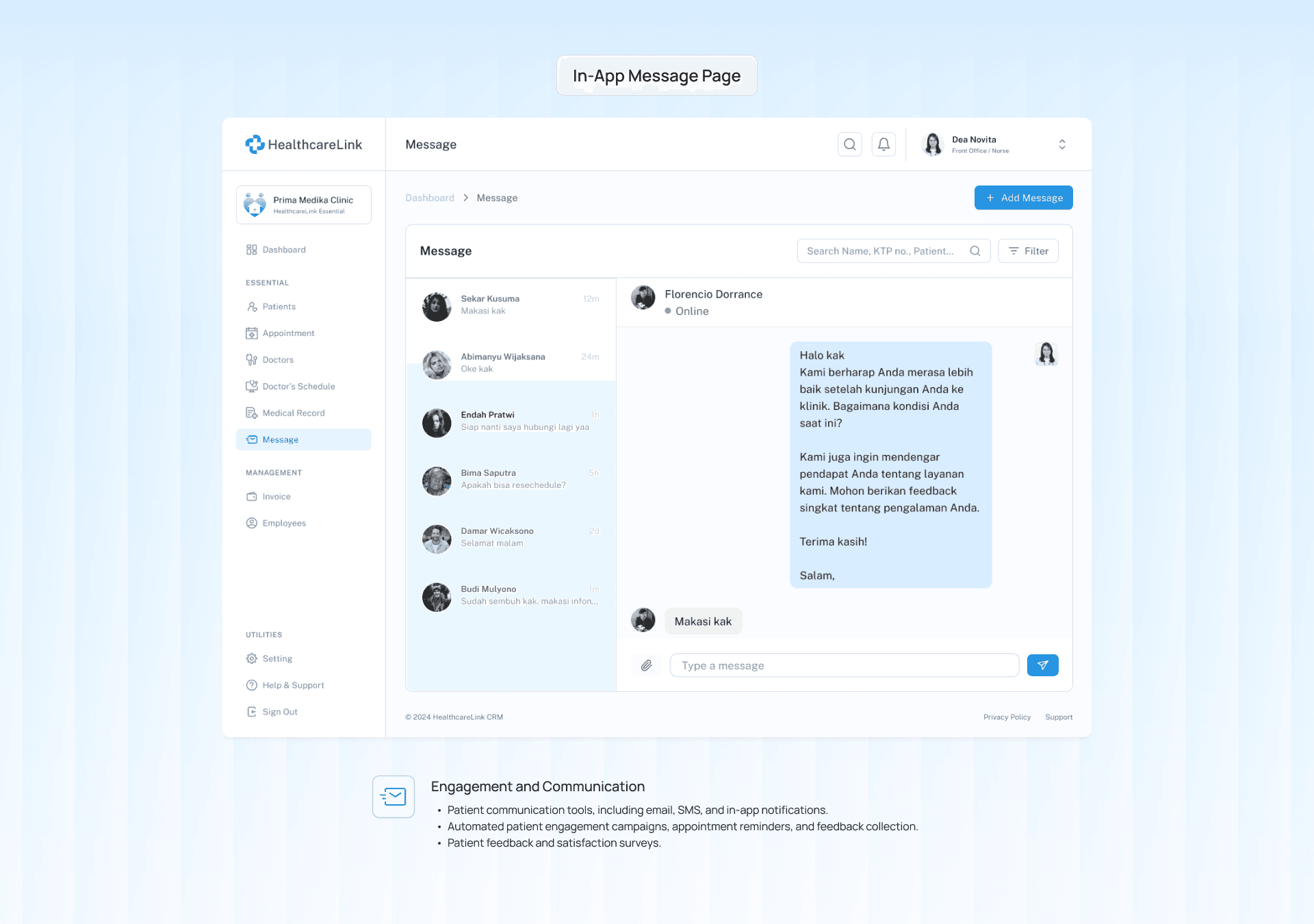
Patient communication tools, including email, SMS, and in-app notifications.
Automated patient engagement campaigns, appointment reminders, and feedback collection.
Patient feedback and satisfaction surveys.
Data Analytics and Reporting
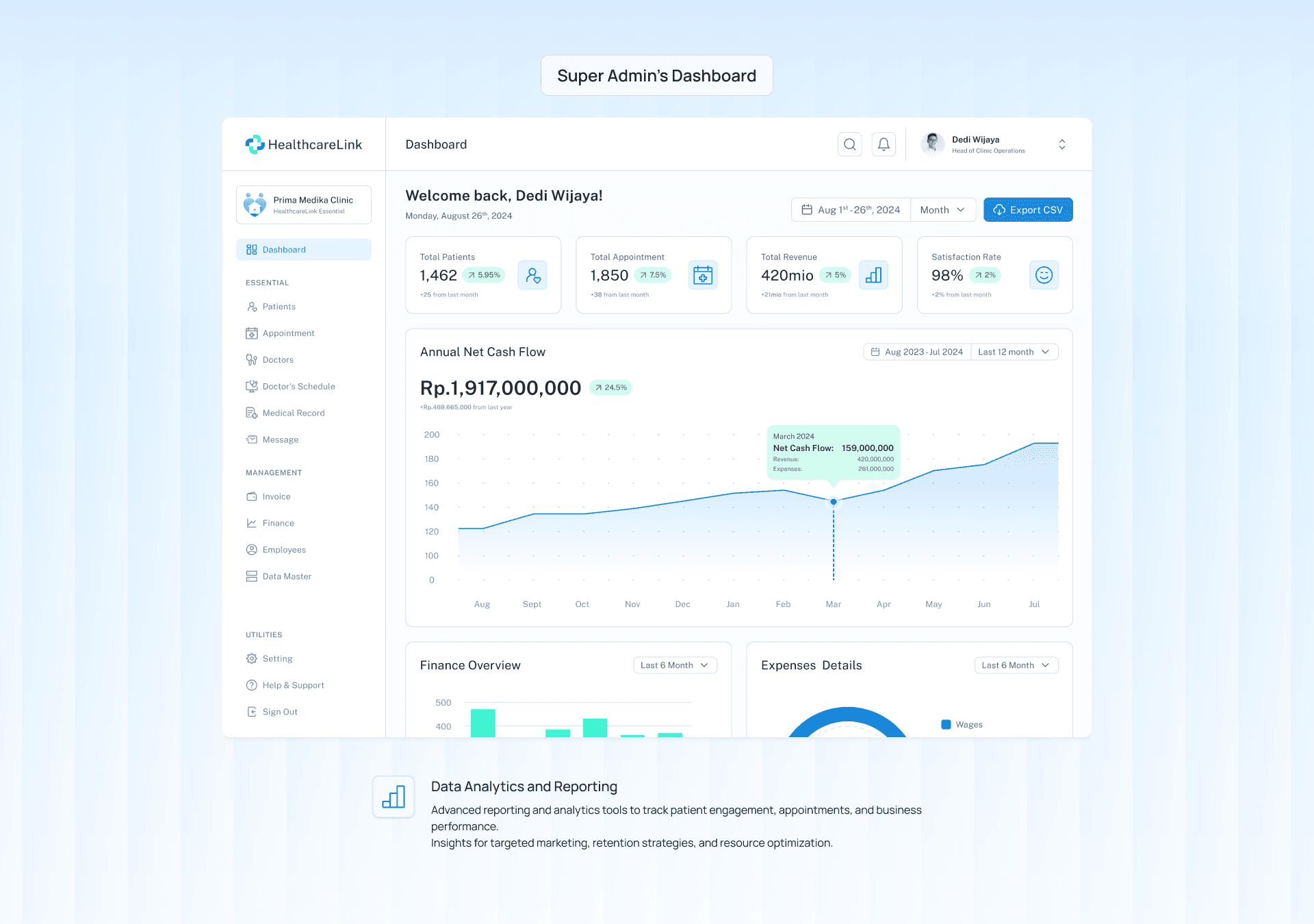
Advanced reporting and analytics tools to track patient engagement, appointments, and business performance.
Insights for targeted marketing, retention strategies, and resource optimization.
Design Considerations:
User-Friendly Interface
Customization and Branding
Data Security and Privacy
Integration Capabilities
Scalability and Performance
Goals
Transforming Healthcare for Better Outcomes

Research Plan
Laying the Foundation
Comparative Feature Analysis
Focusing on the features and solutions offered by competitors.
Analysis SWOT
SWOT Analysis of competitors to evaluate their strengths and weaknesses.
Desk Research
Analyzing the current conditions of healthcare providers in Indonesia.
User Interview
To gather firsthand feedback and experiences from healthcare professionals.
This research ensures that HealthcareLink addresses the real challenges faced by clinics and healthcare providers in Indonesia.
Comparative Feature Analysis
Analyze and compare key features of existing systems to determine opportunities for improvement and differentiation.
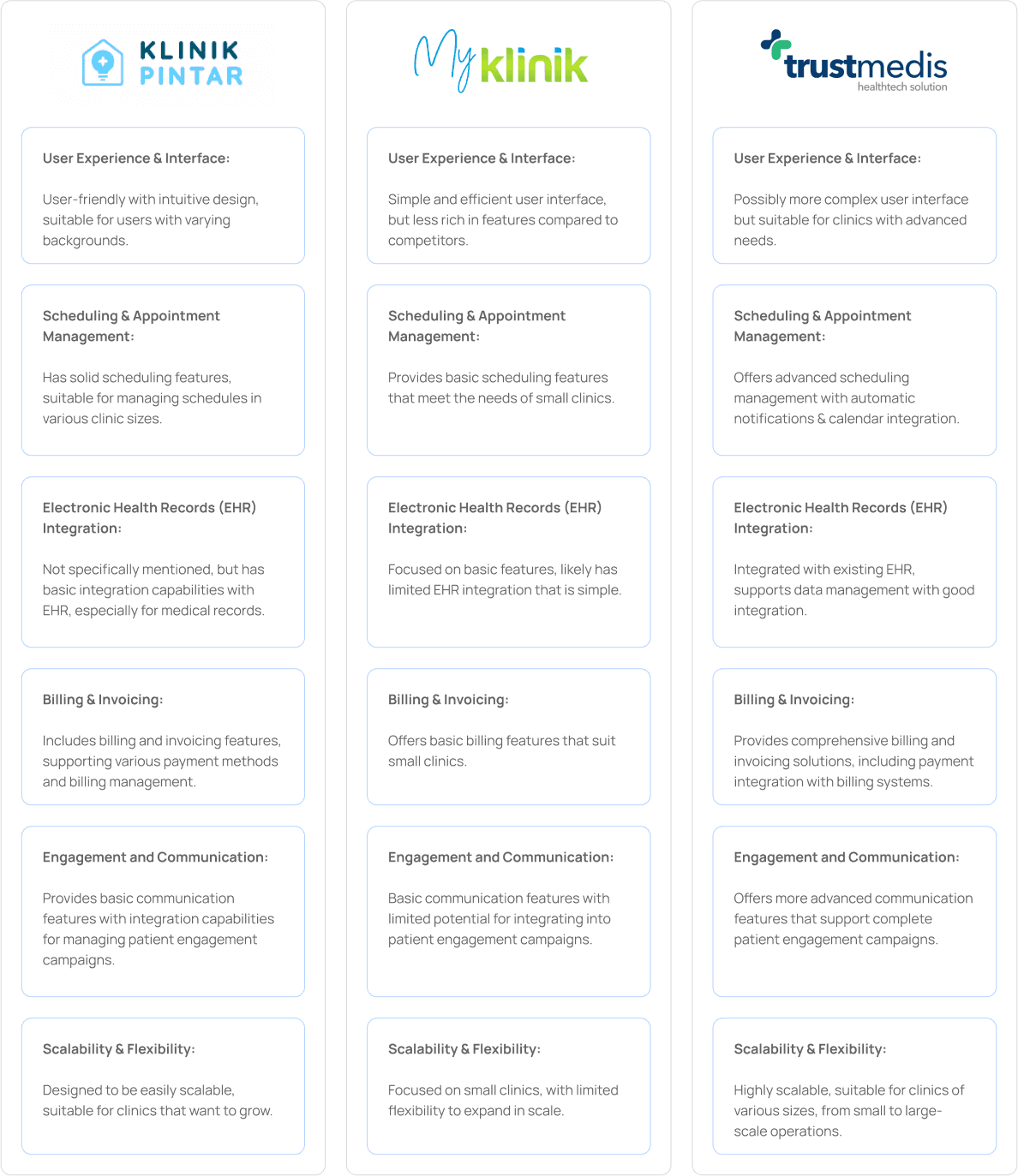
Disclaimer: This research is based on limited information and may be inaccurate
Analysis SWOT
Identify strengths and weaknesses of competitors to inform decision-making and create a more focused development plan.
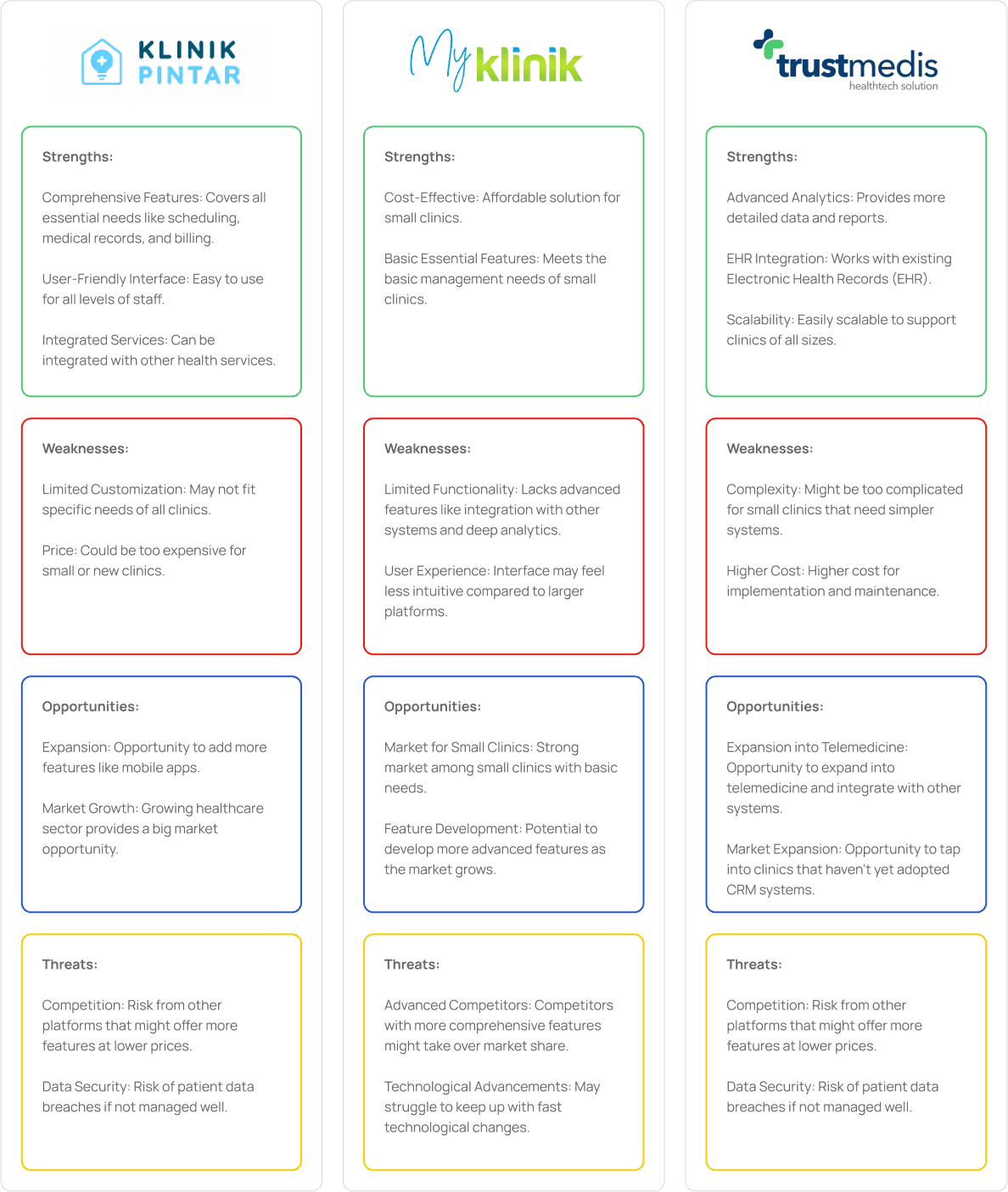
Disclaimer: This research is based on limited information and may be inaccurate
Desk Research
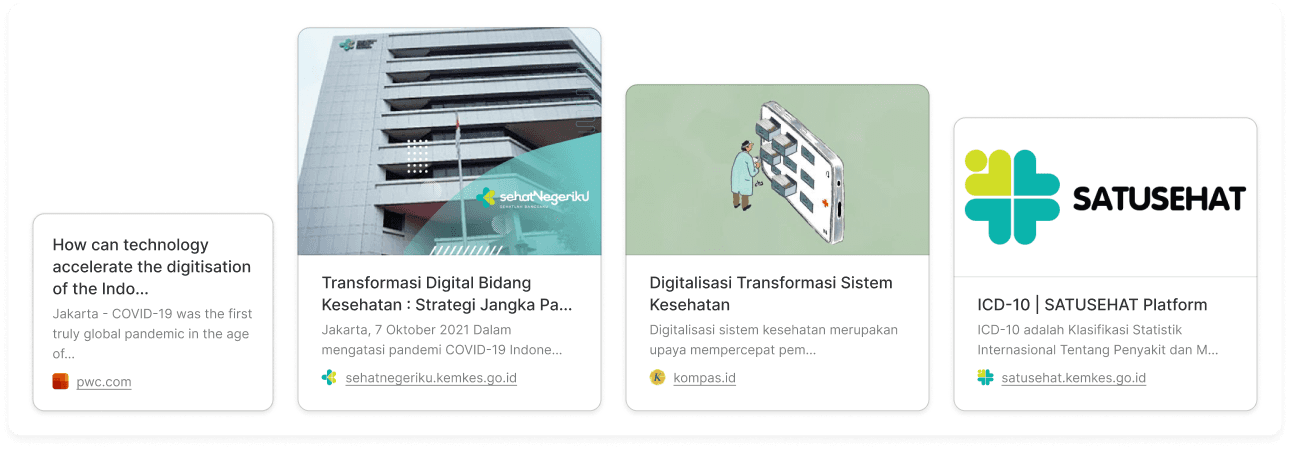
During my desk research, I identified how digital transformation has become a long-term strategy for Indonesia’s healthcare system, particularly during the COVID-19 pandemic. Key innovations include the integration of health data via platforms like SATUSEHAT and tools such as PeduliLindungi for tracking COVID-19 cases. The government’s focus on telemedicine and digital platforms has increased healthcare accessibility and efficiency. Moving forward, this digital shift is expected to enhance Indonesia’s ability to manage healthcare challenges, ensuring better data integration and more equitable health services.
HealthcareLink supports better decision-making through real-time data integration, paralleling SATUSEHAT’s digital health advancements.
User Interview
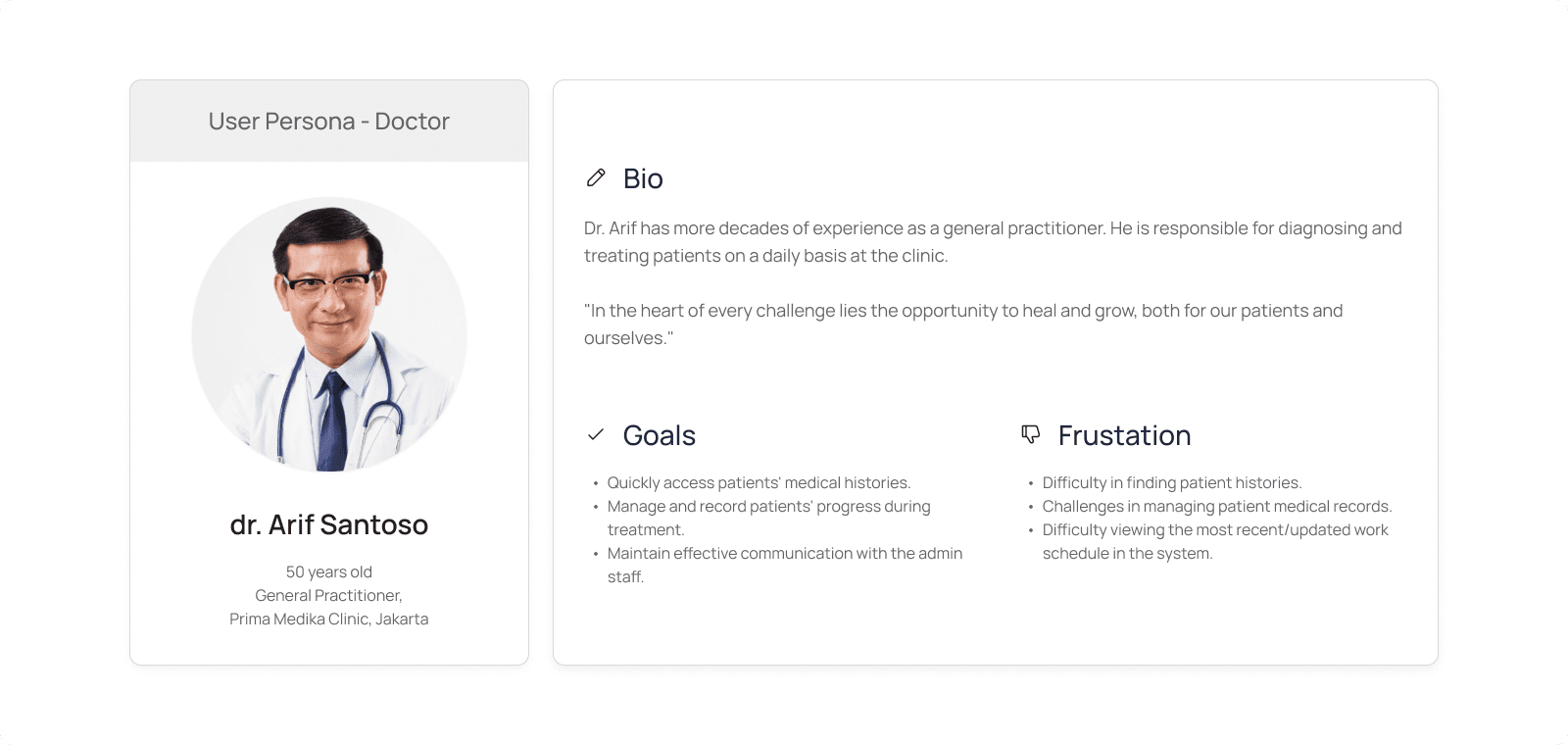
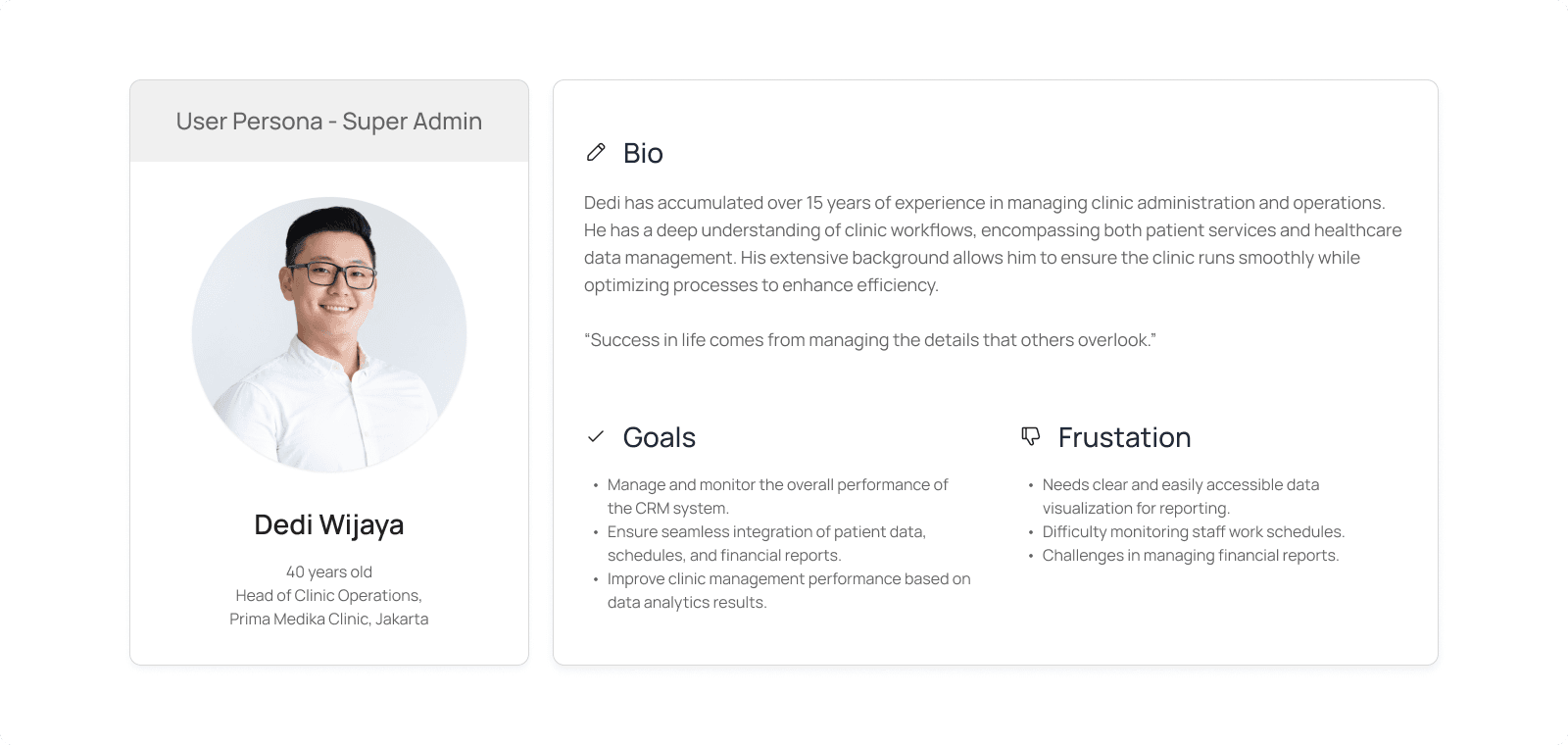
I conducted interviews with two healthcare professionals: one from a hospital and one from a clinic. These interviews provided valuable insights into the key challenges they face in patient data management, scheduling, communication, and administrative tasks.
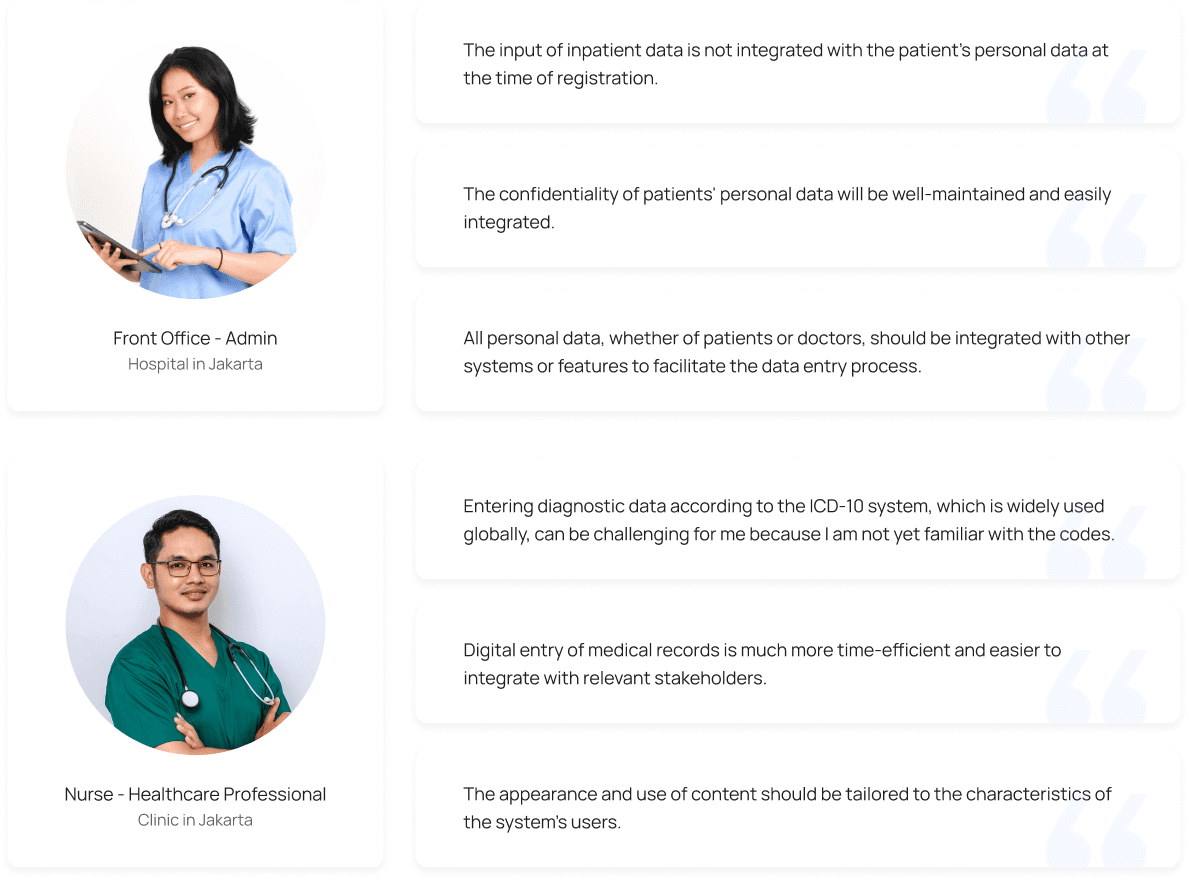
Disclaimer: The photos used are illustrations and respect the privacy of the users interviewed.
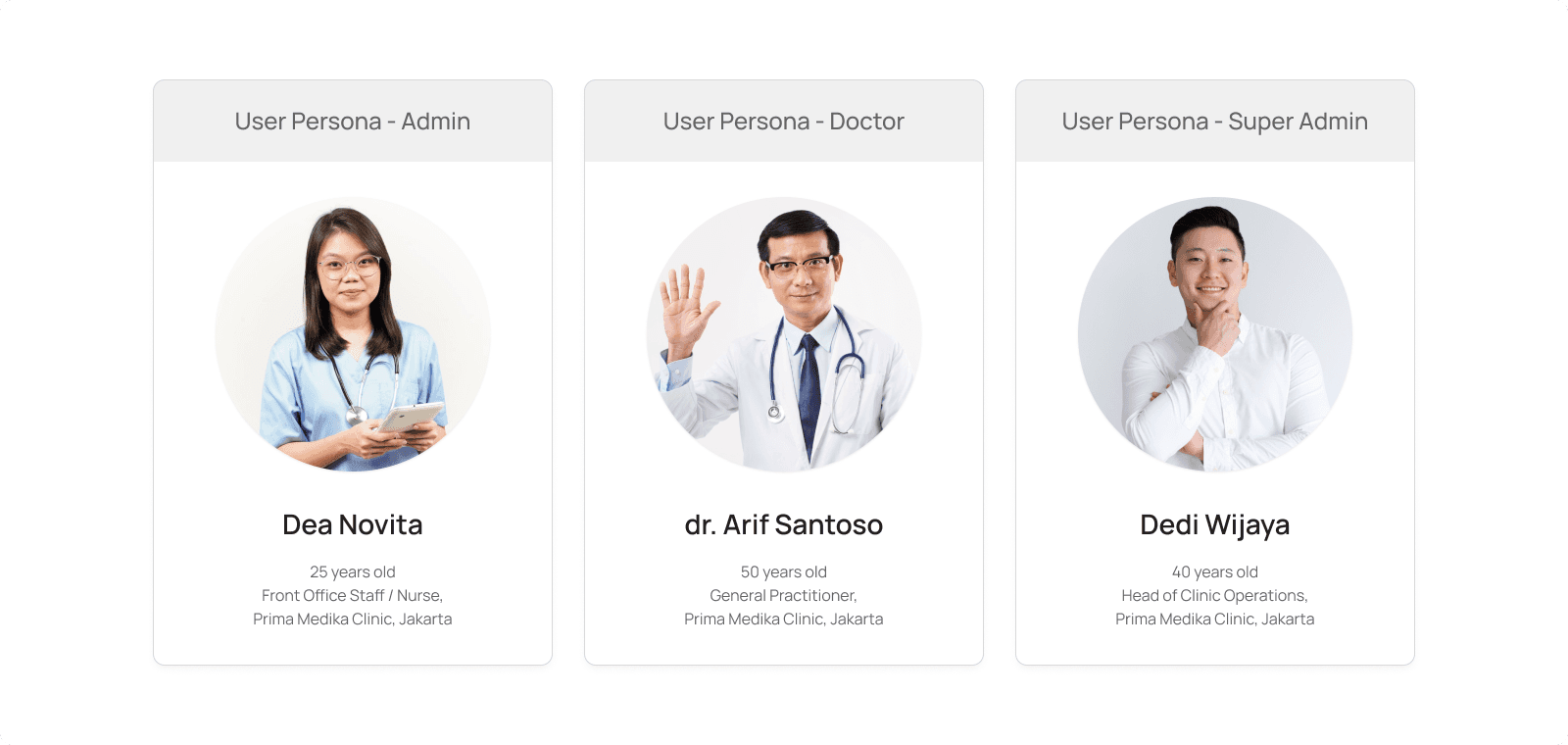
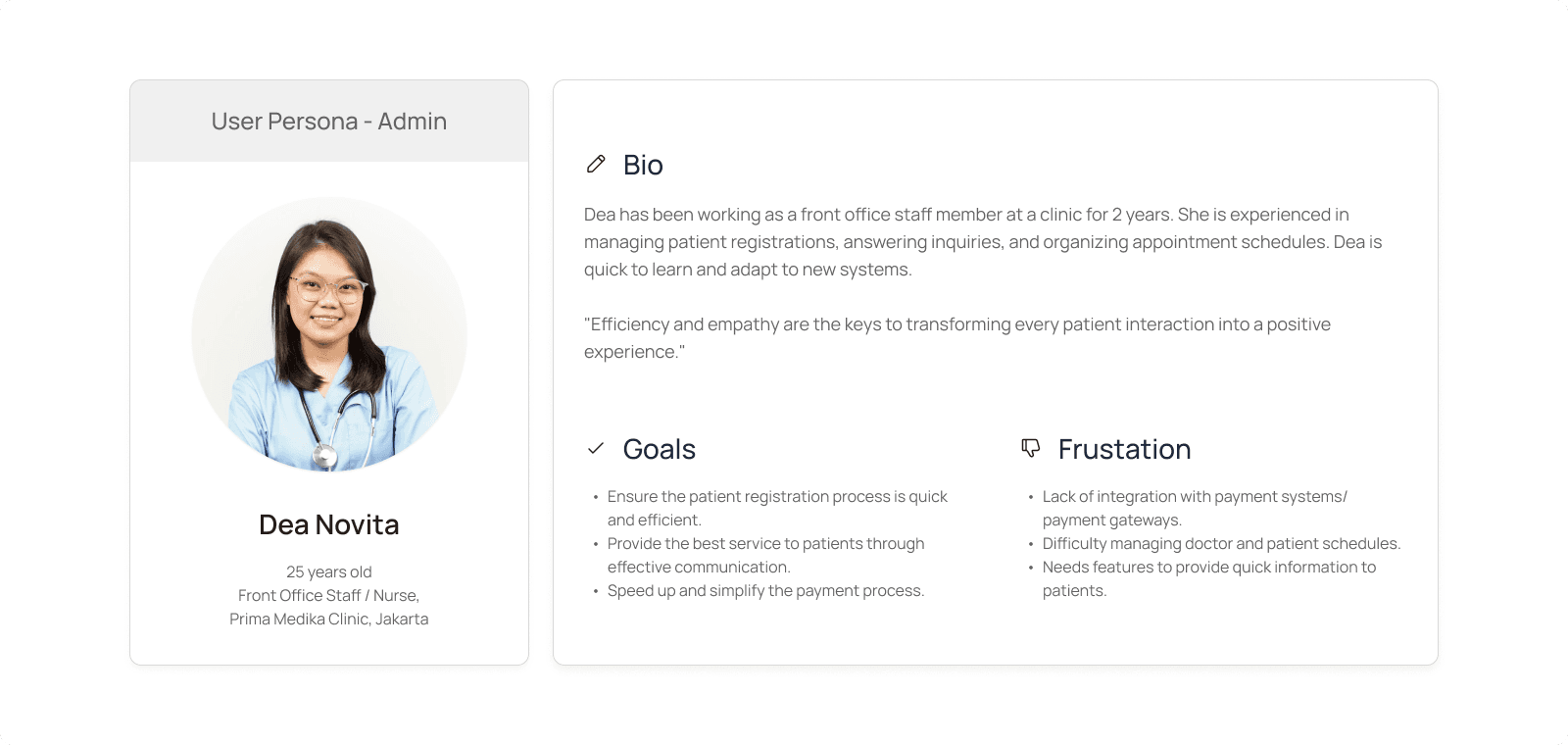
User Persona
Understanding Our Users

Ideate
Navigating the Landscape of Creative Visions
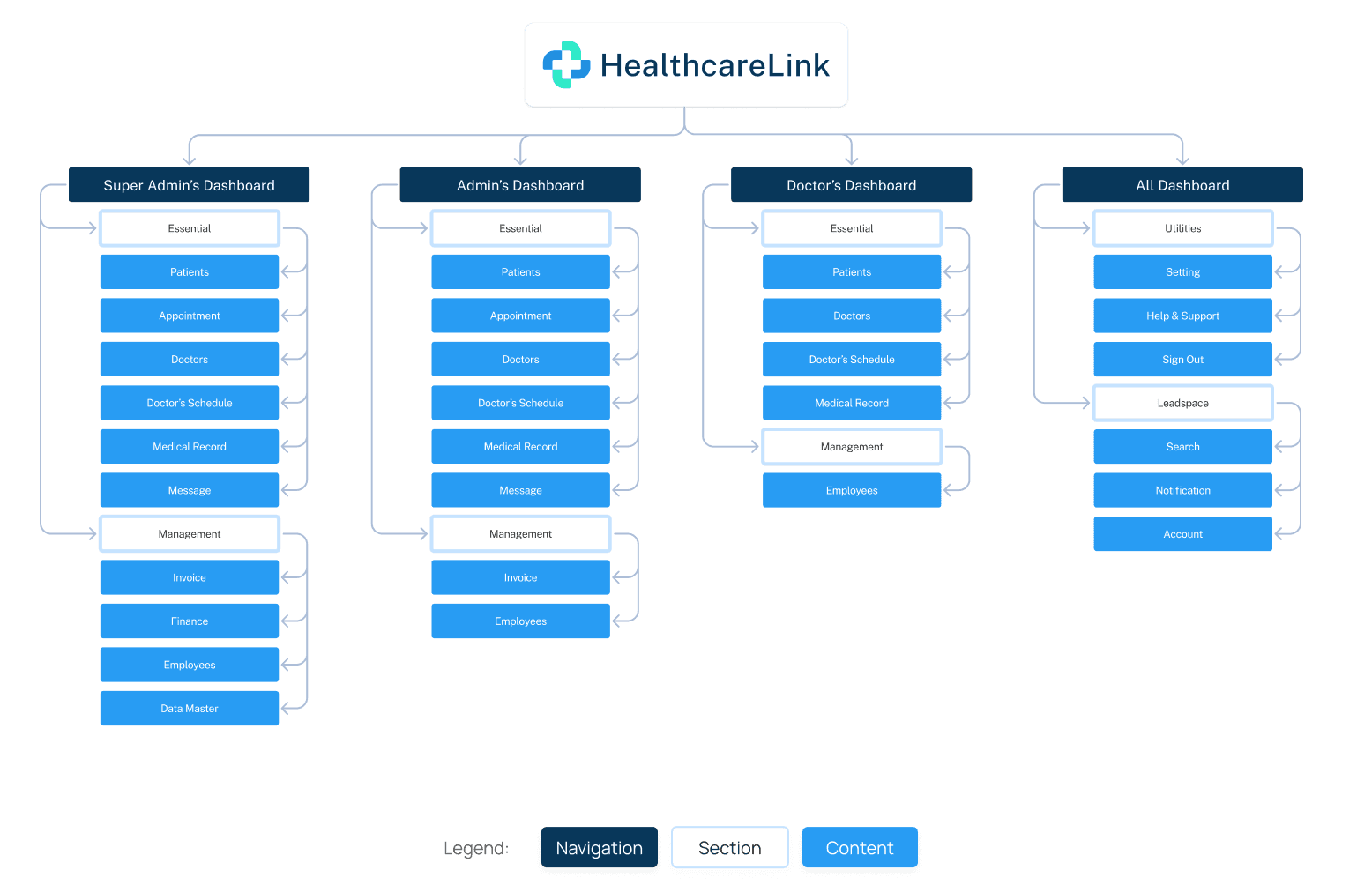
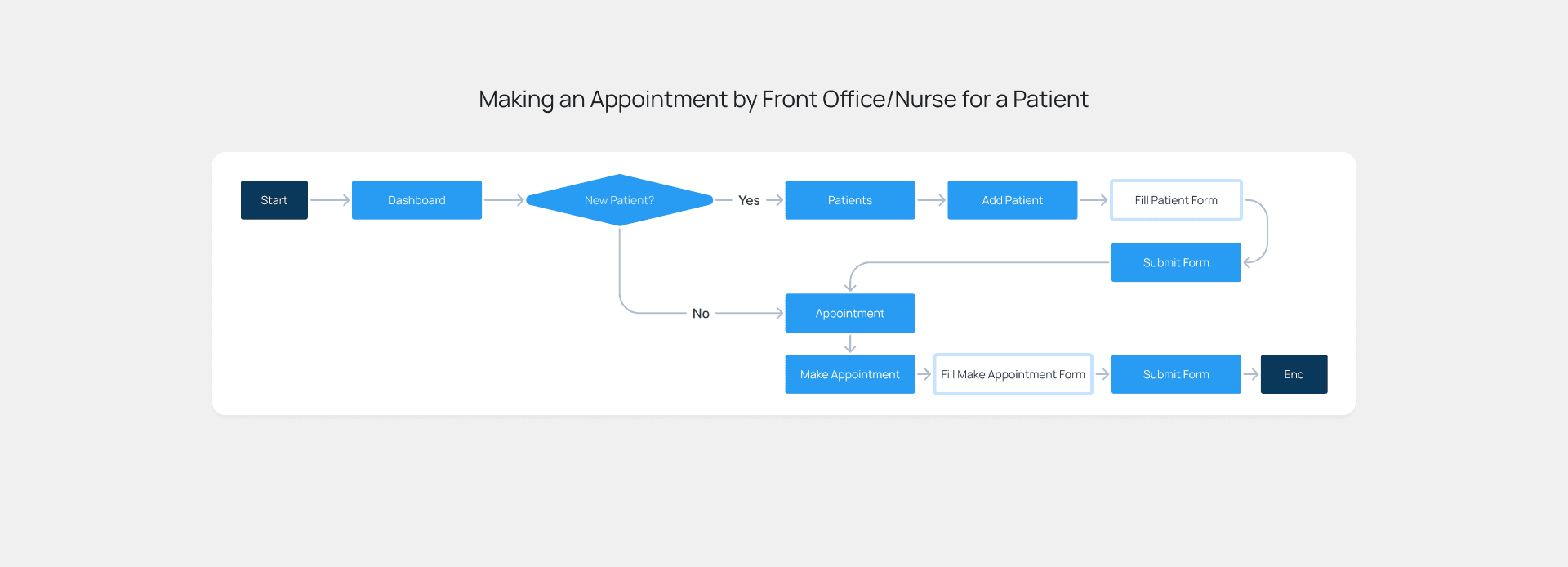
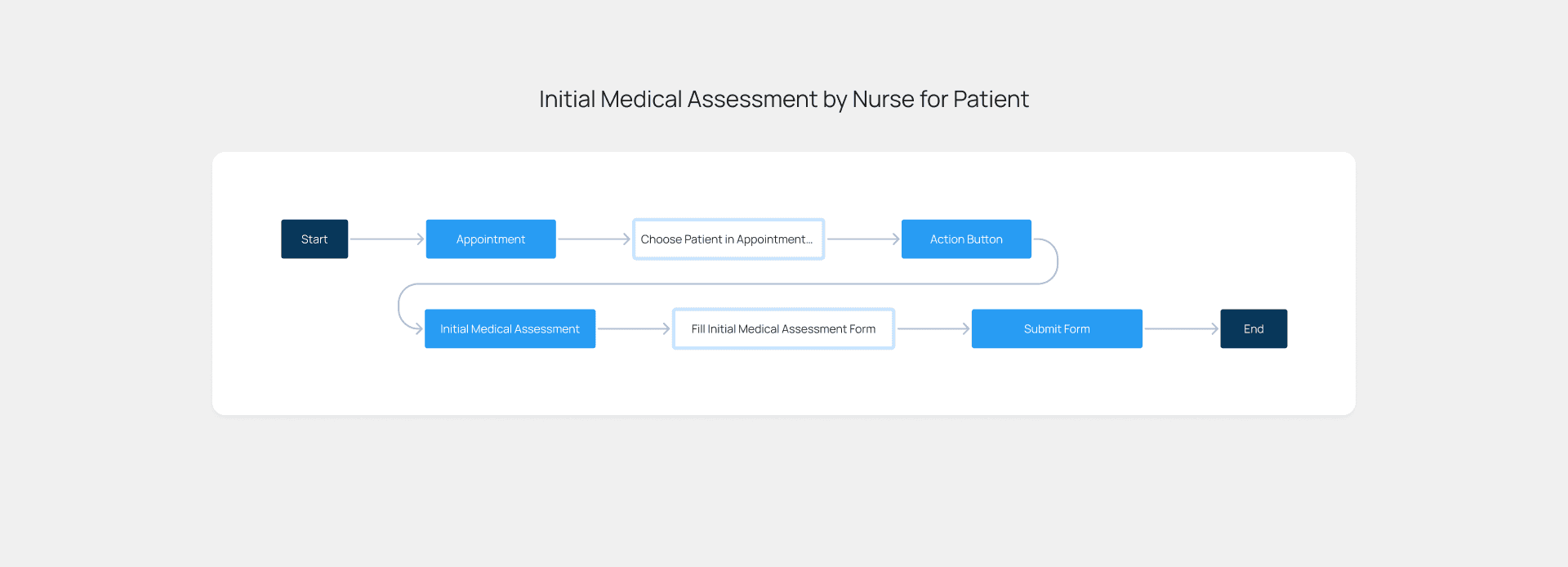
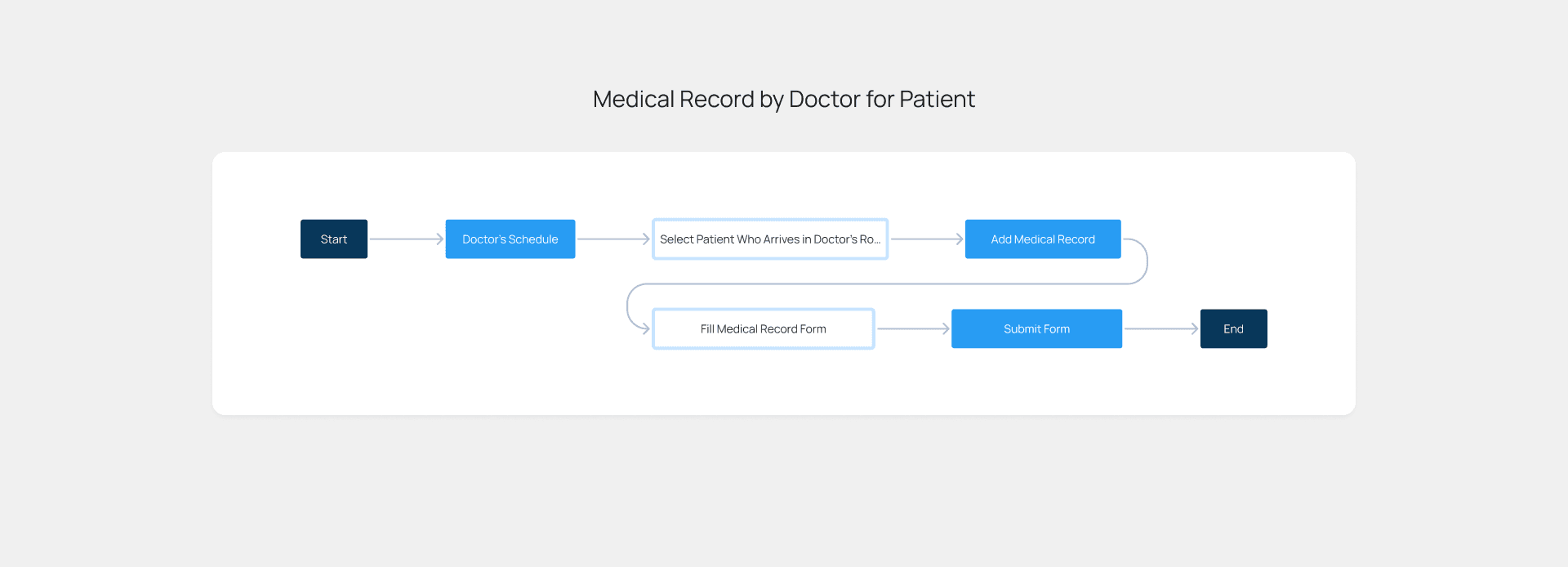
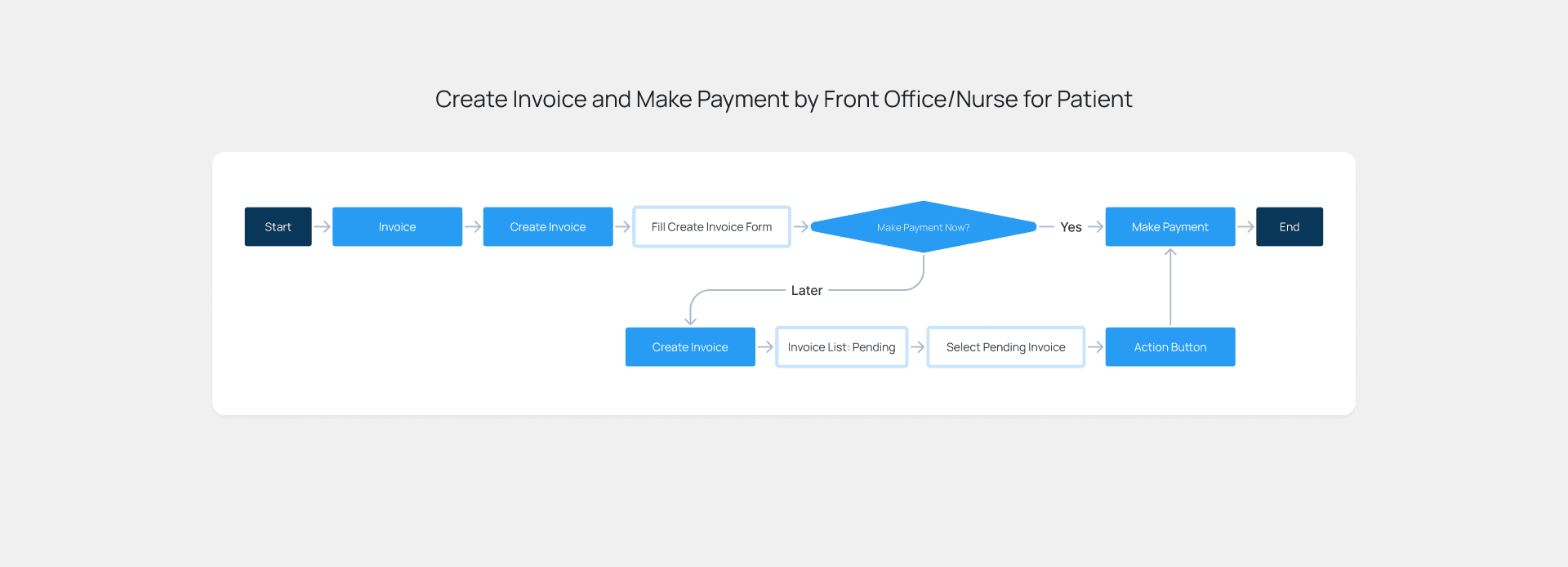
Designing a structured framework for the HealthcareLink CMS, enabling users to easily access and manage information, enhancing overall usability.
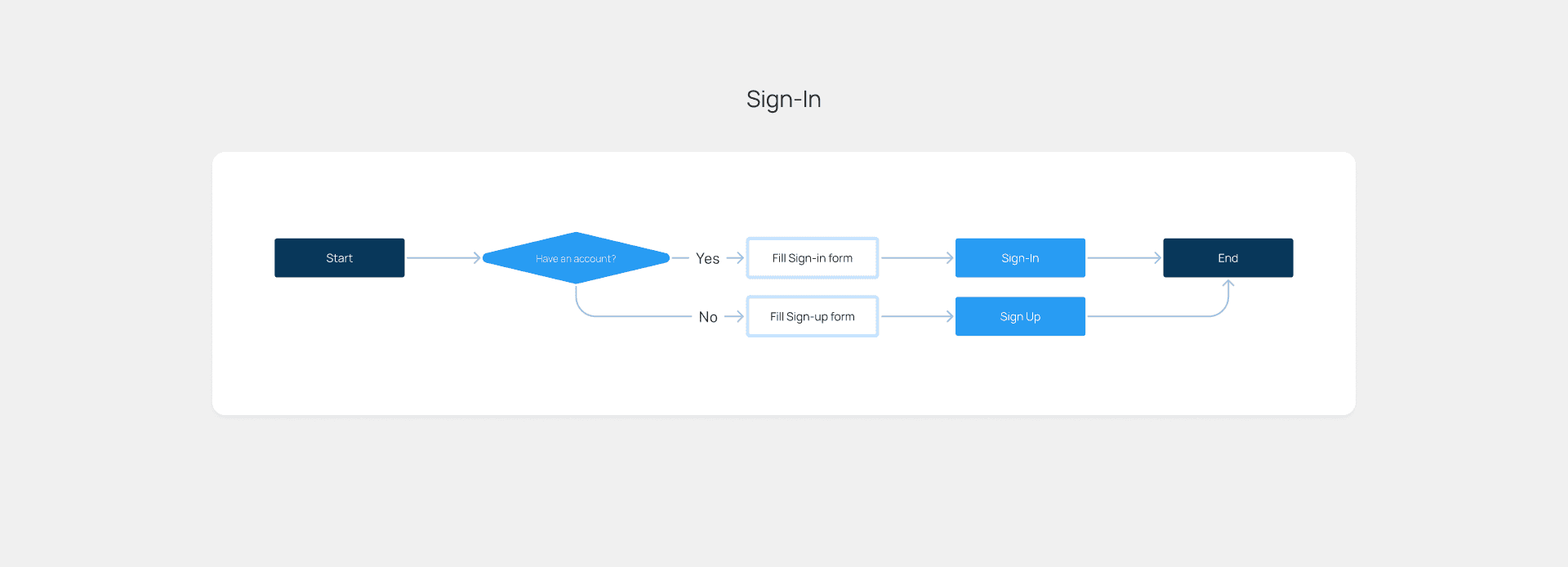
The User Flow outlines the steps users take, from signing up to completing an order, ensuring a seamless experience that aligns with their needs and efficiently leads to the order summary in Maxim.

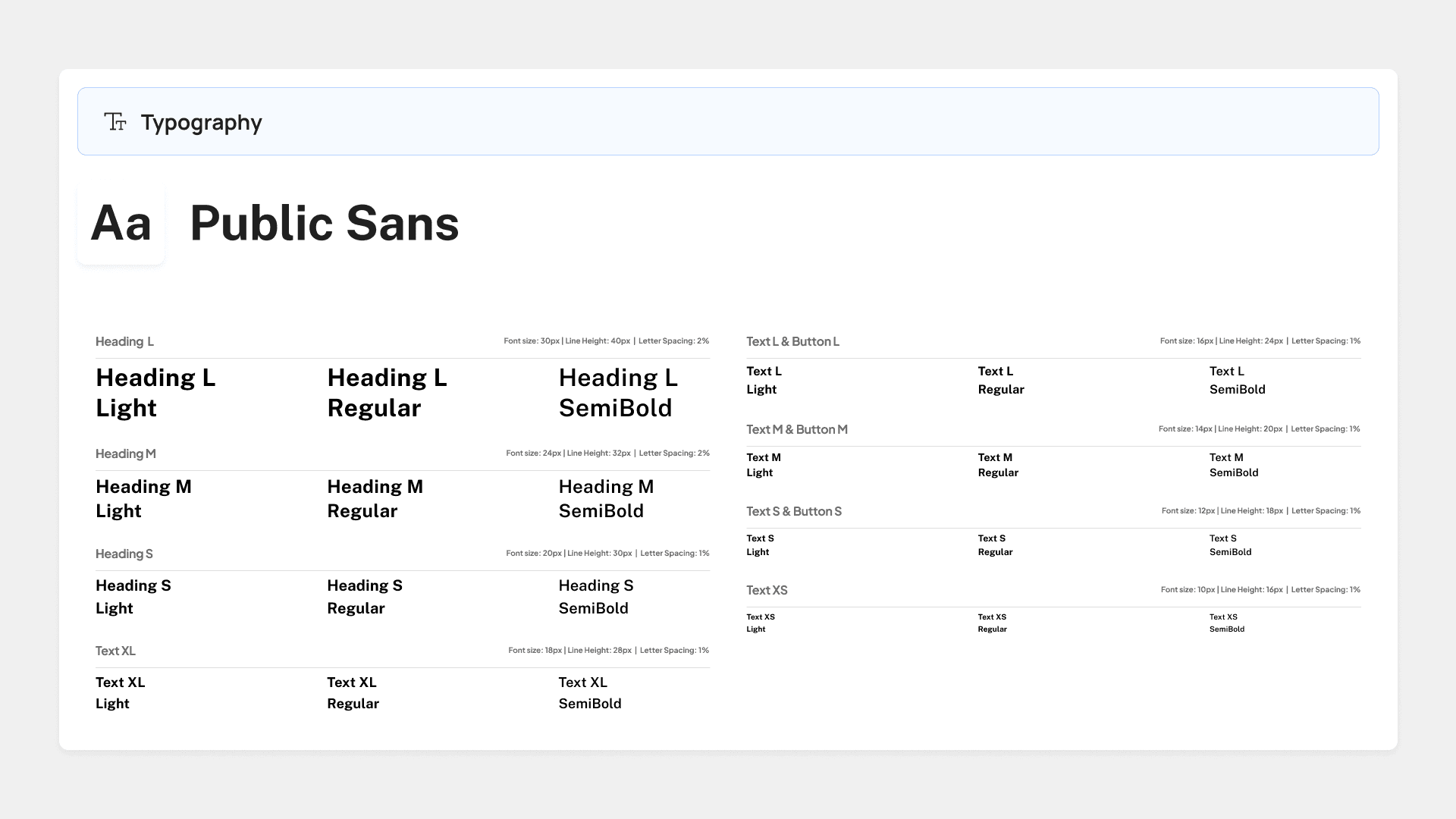
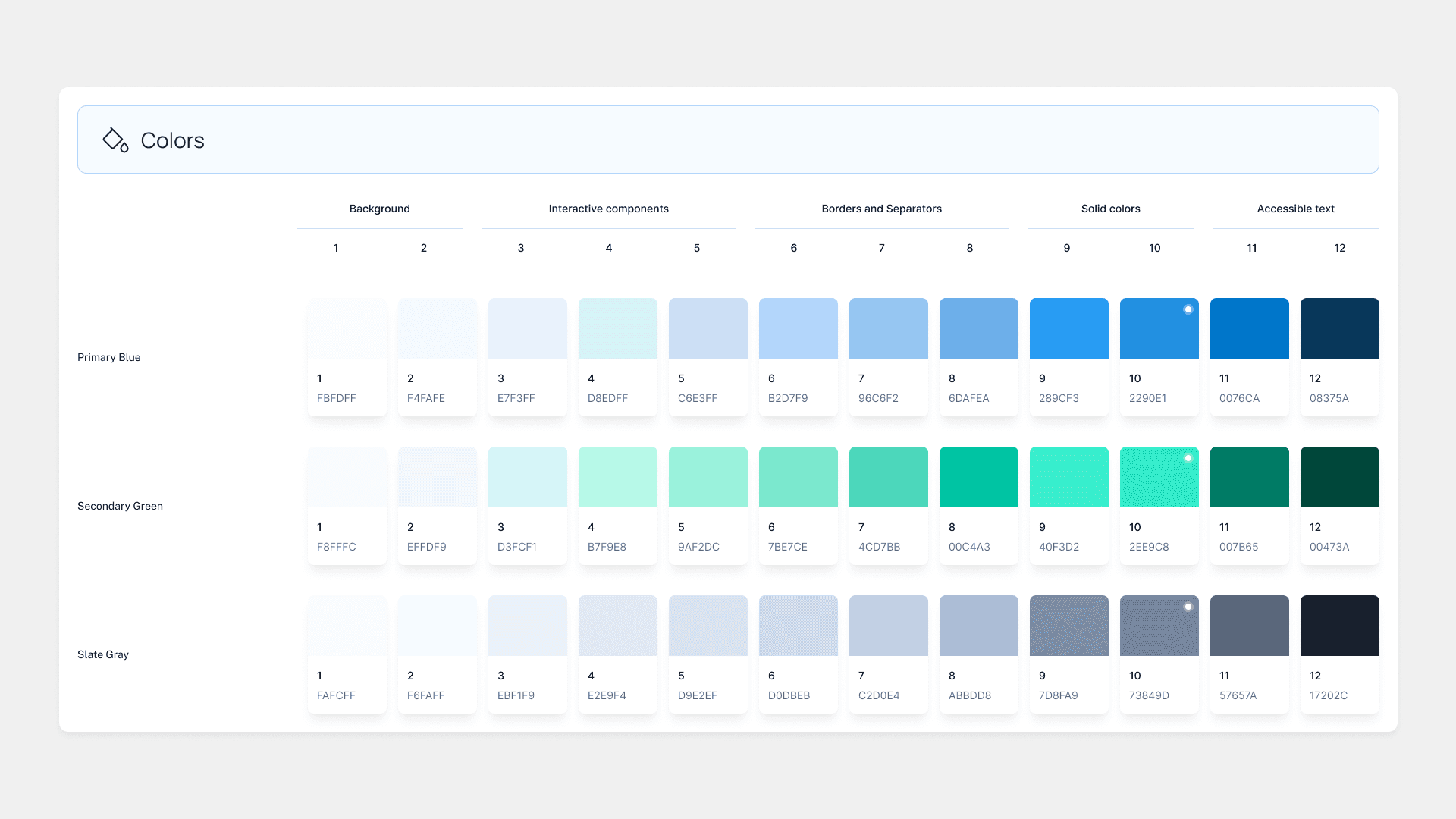
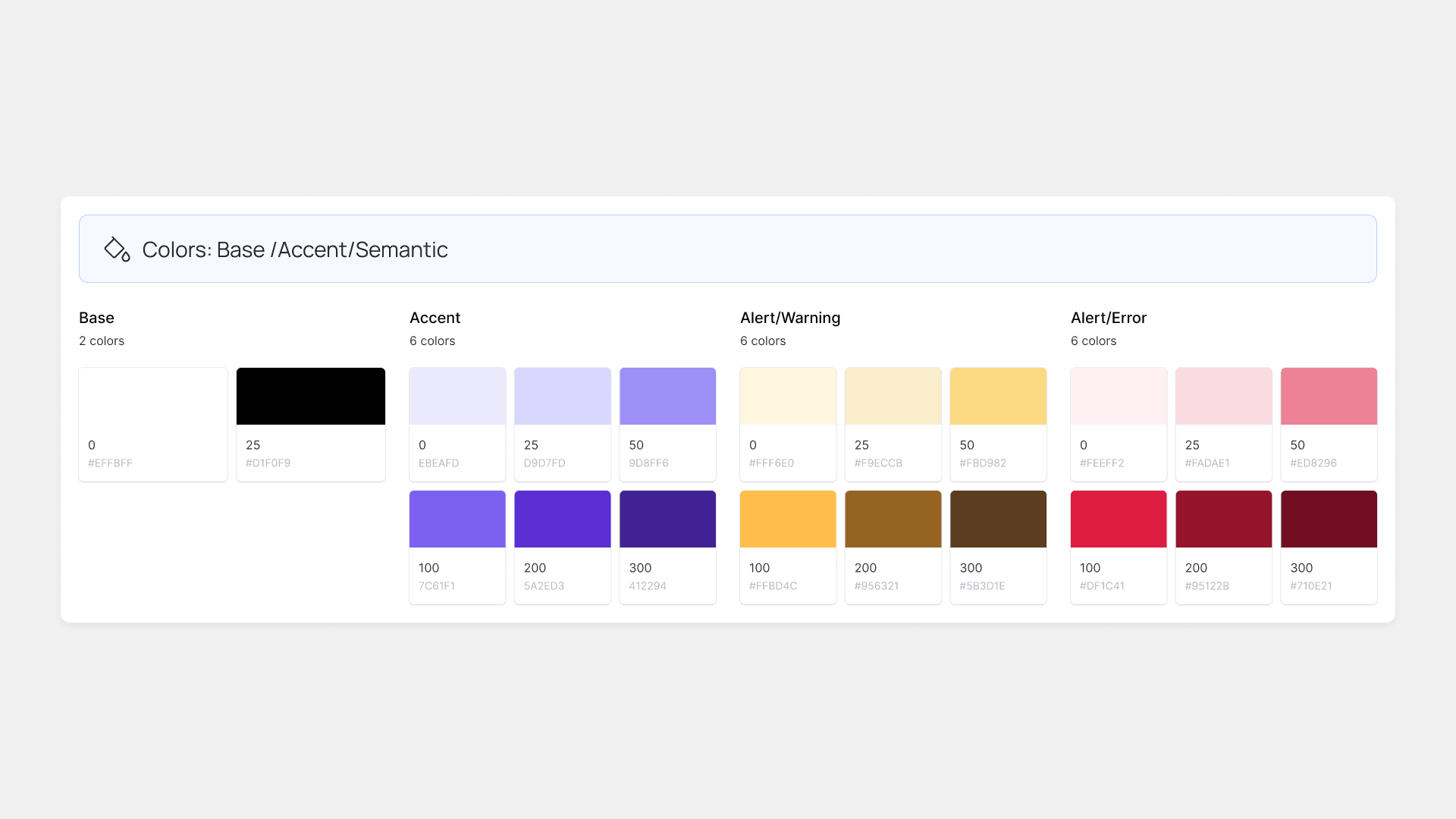
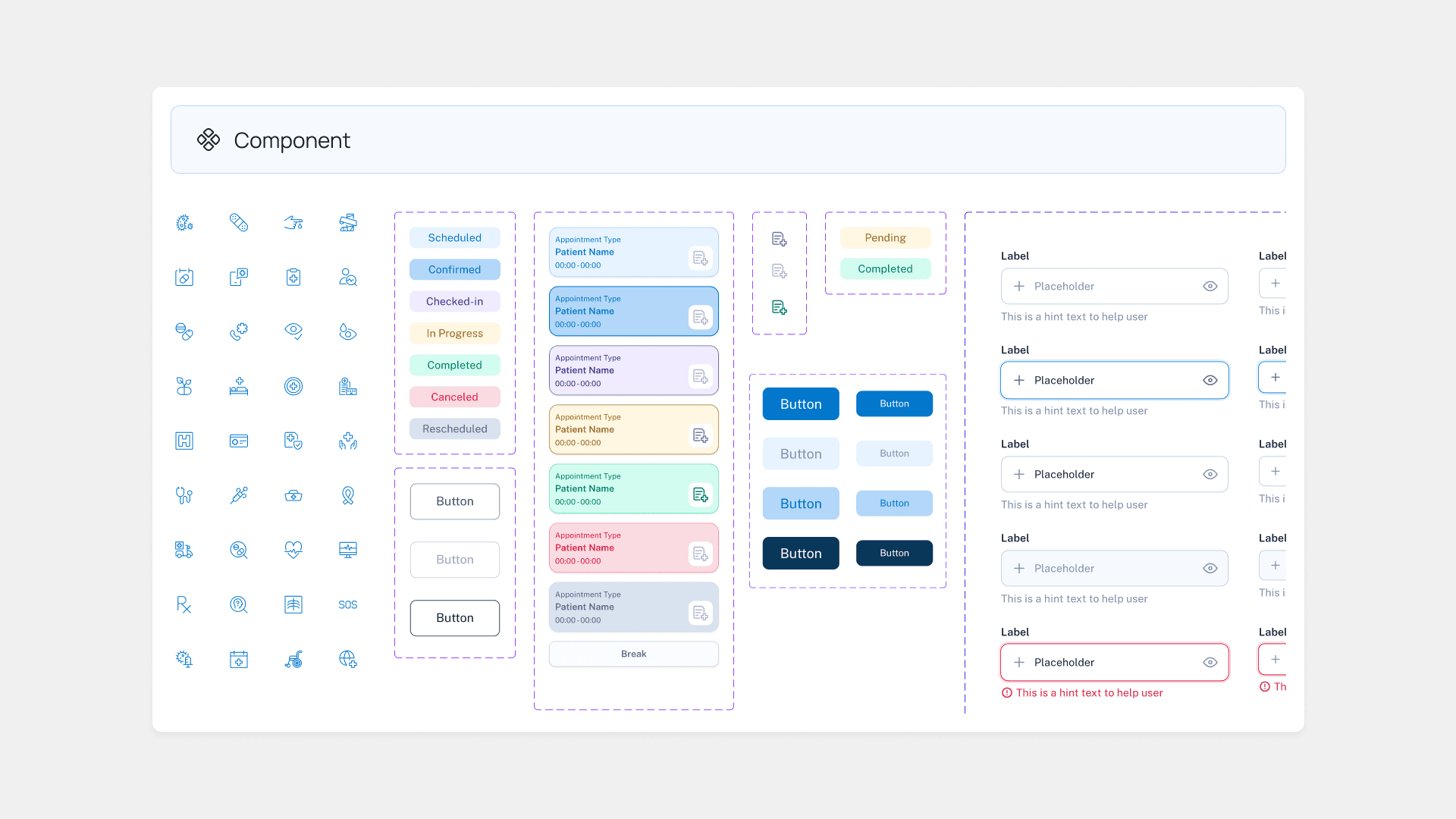
UI Style Guide
A Complete Guide for UI Designers and Developers
Minimum Viable Product
HealthcareLink: Solution for Clinic Efficiency
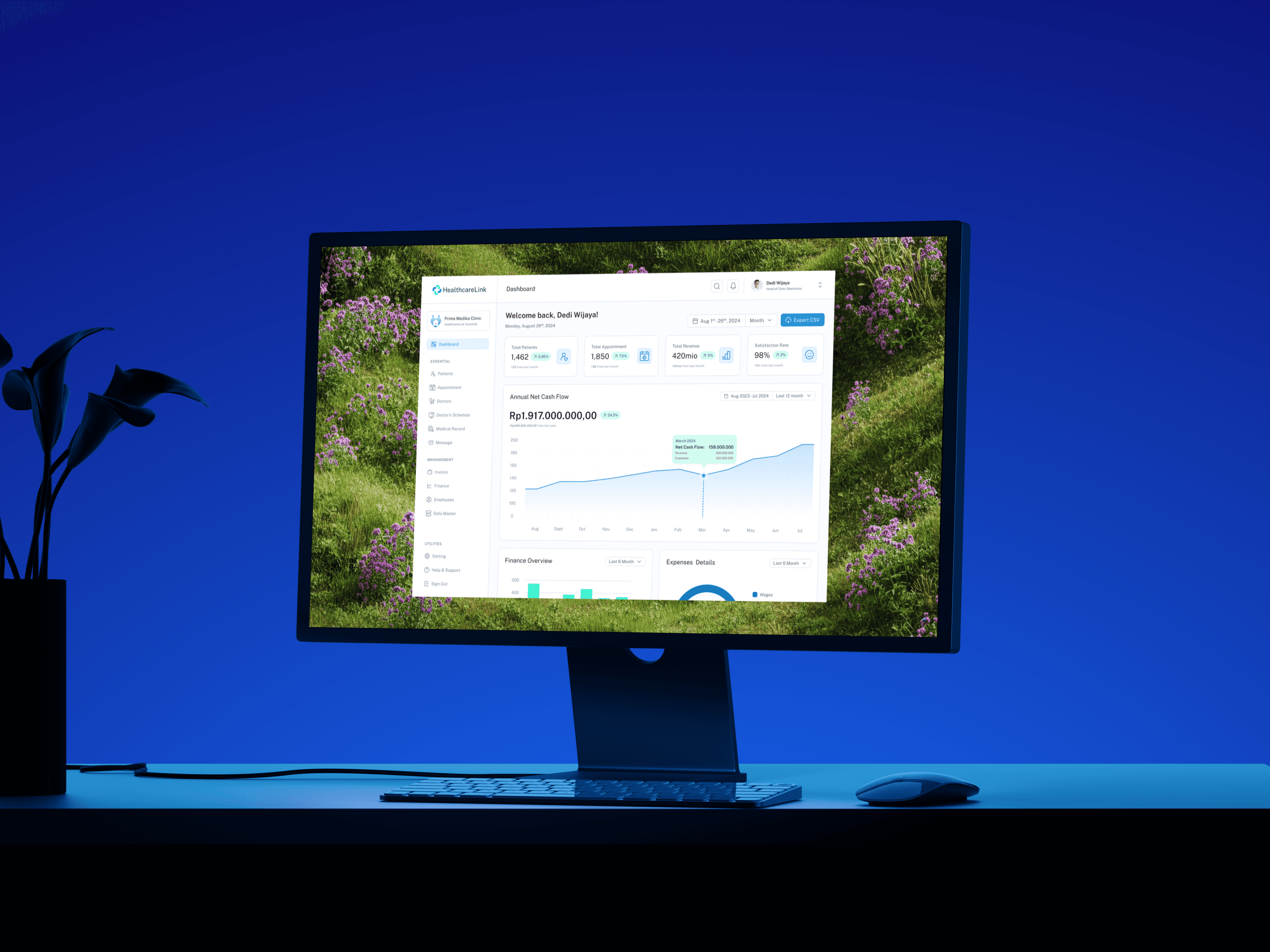
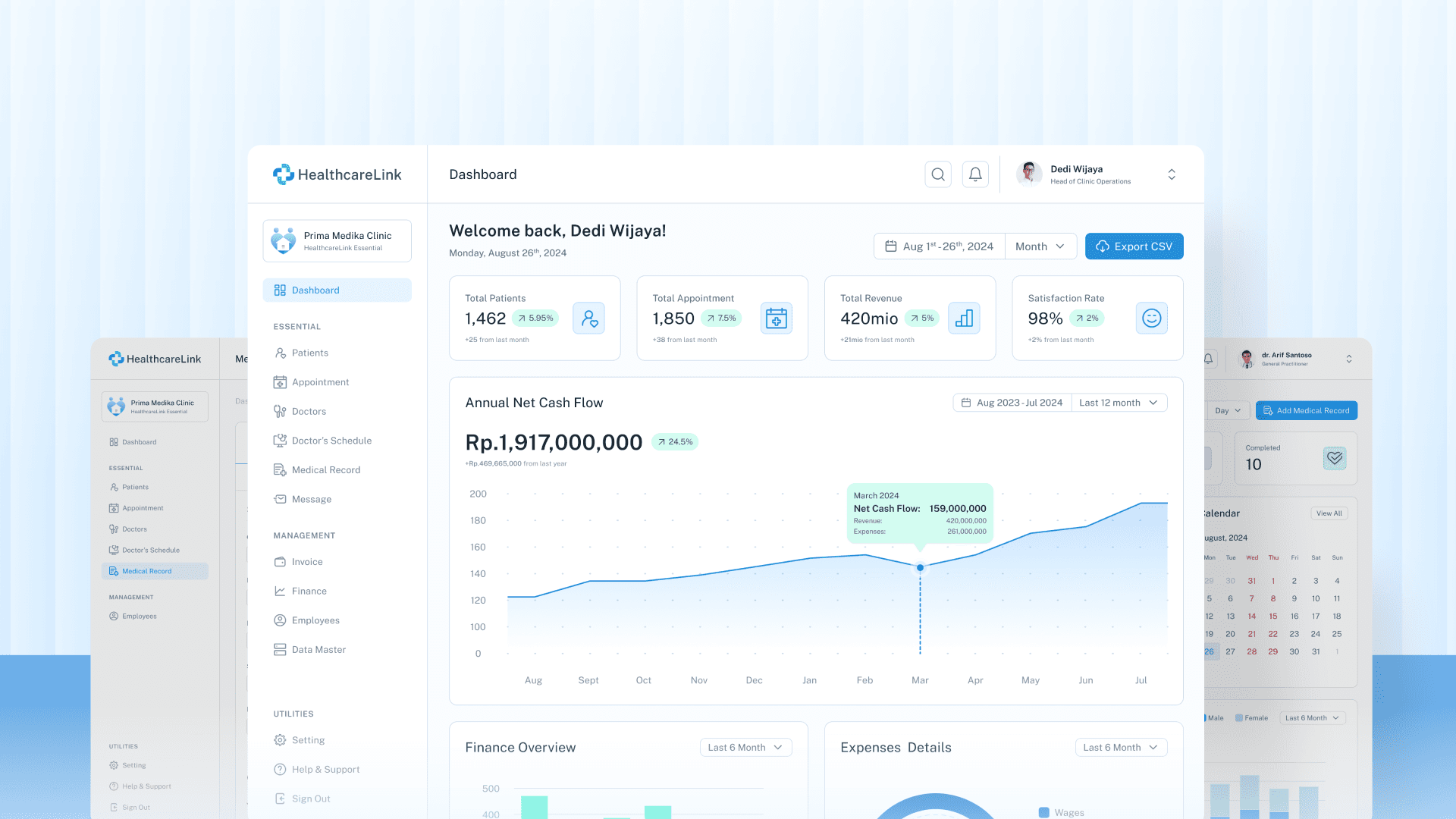
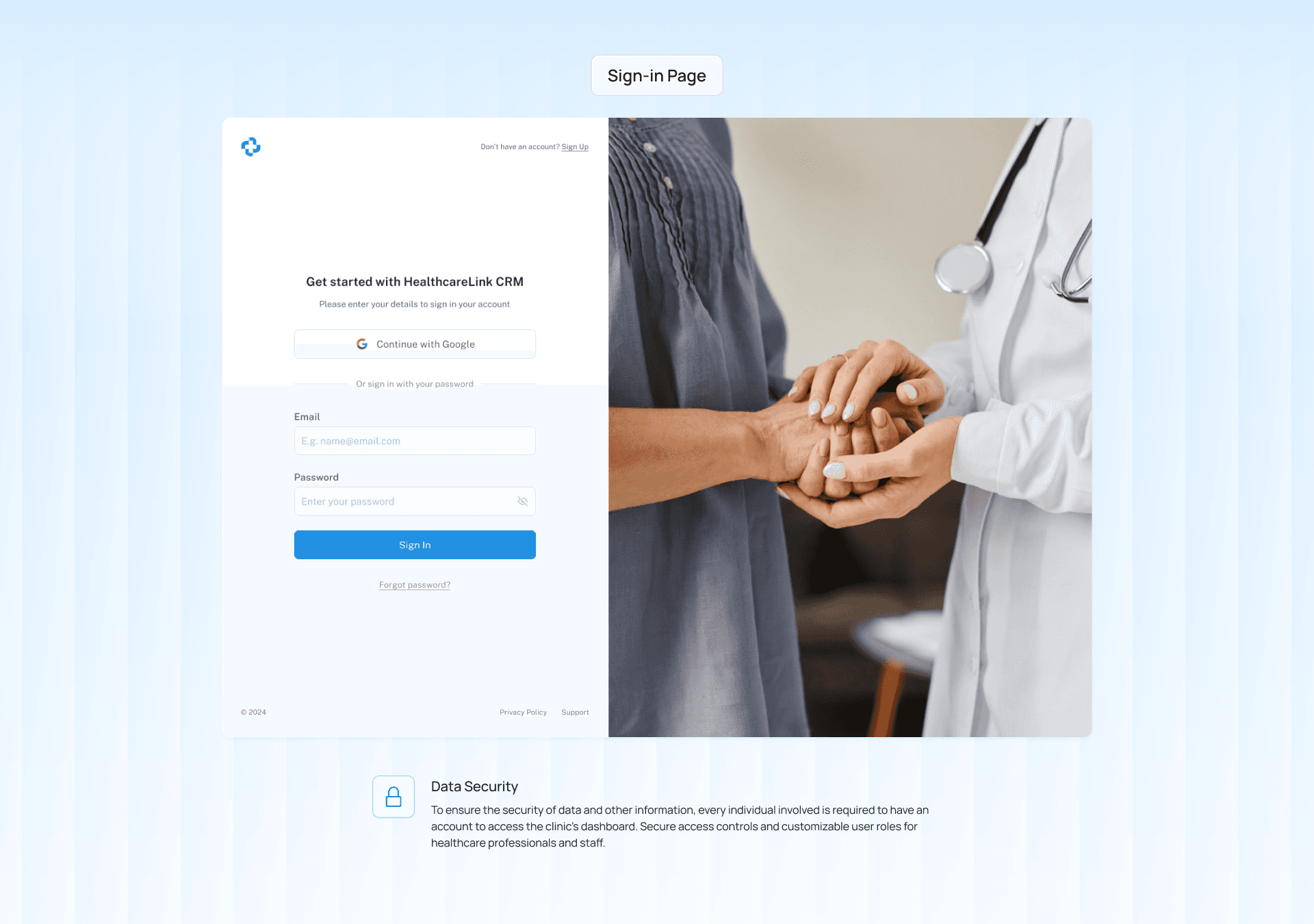
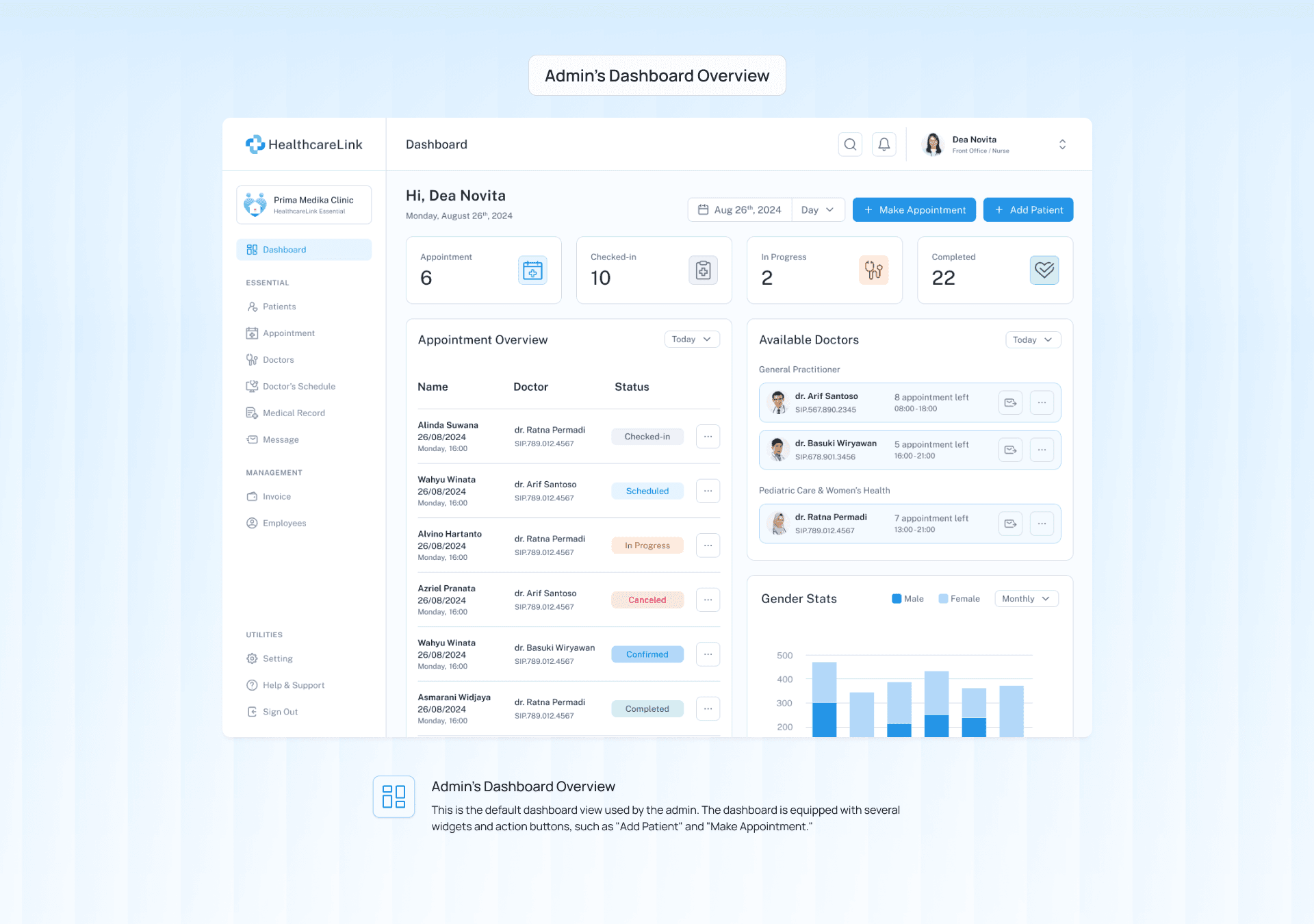
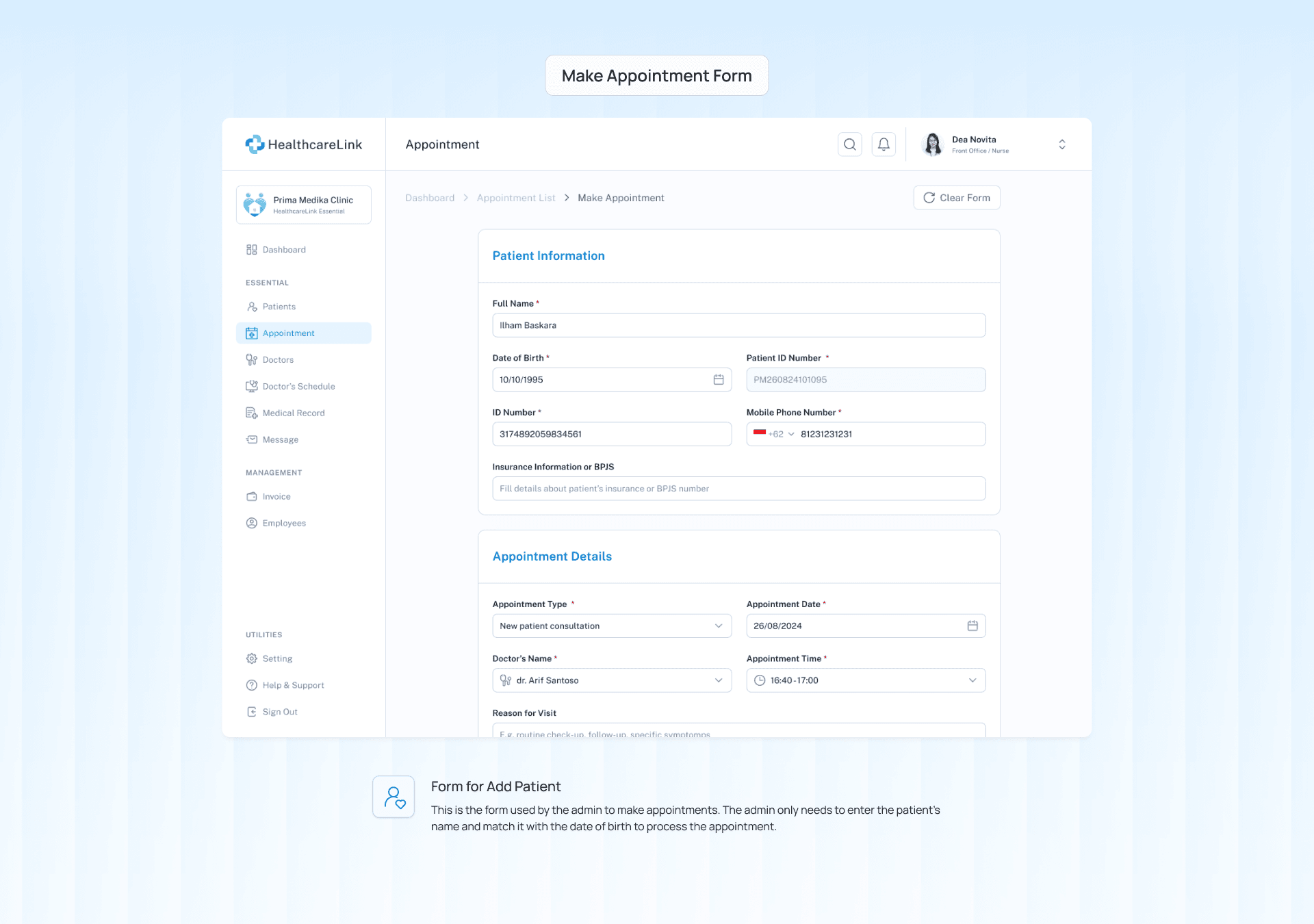
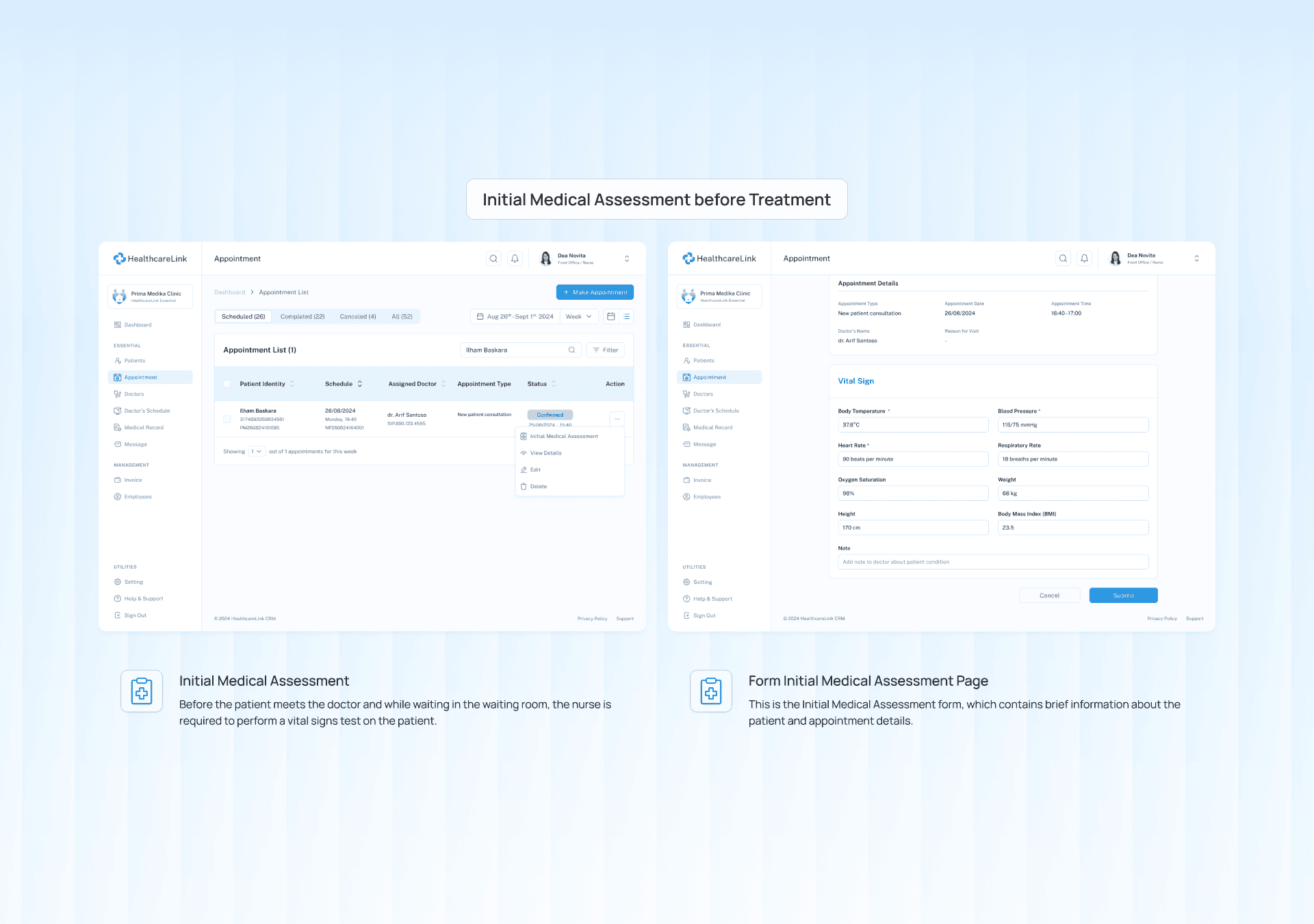
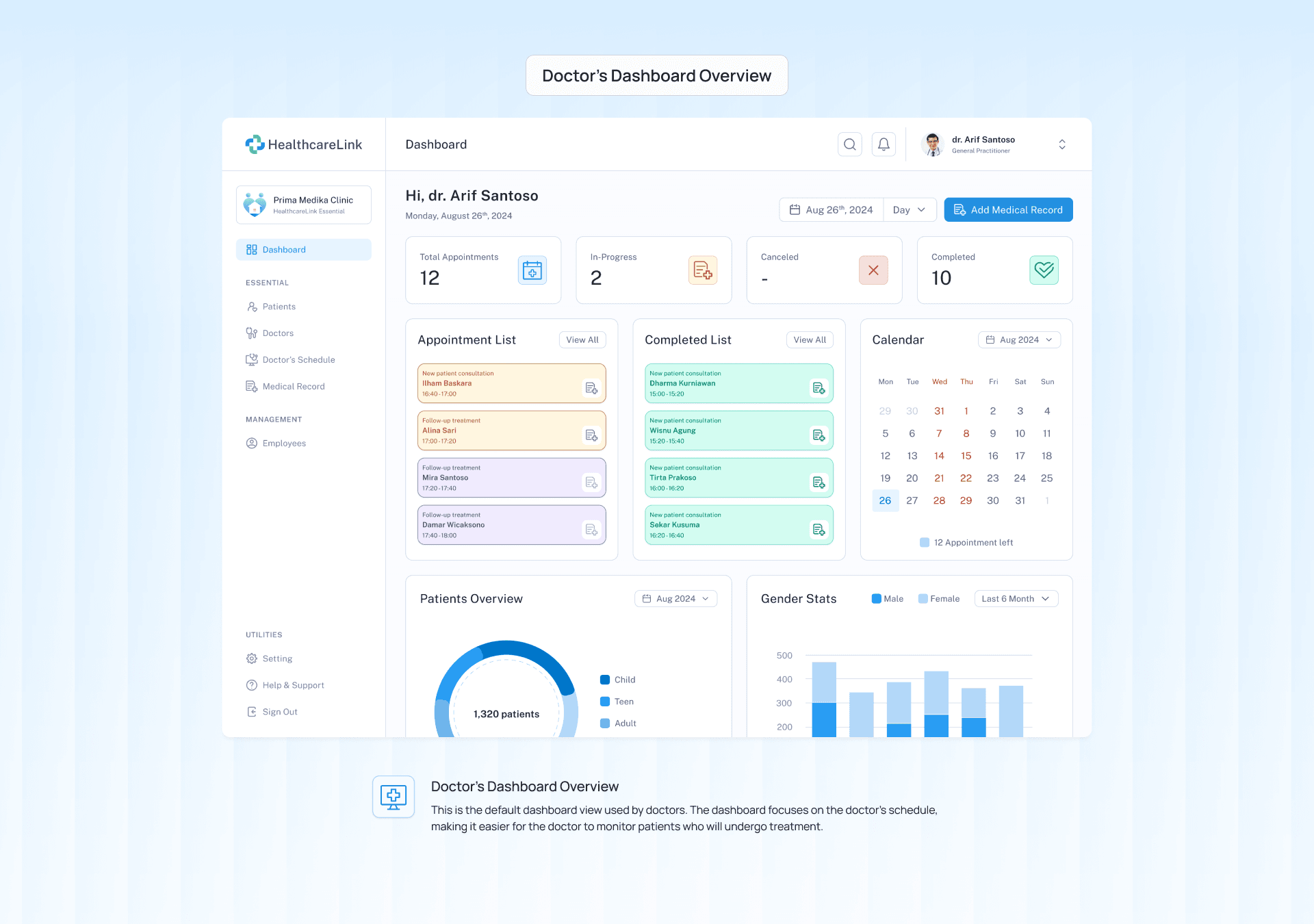
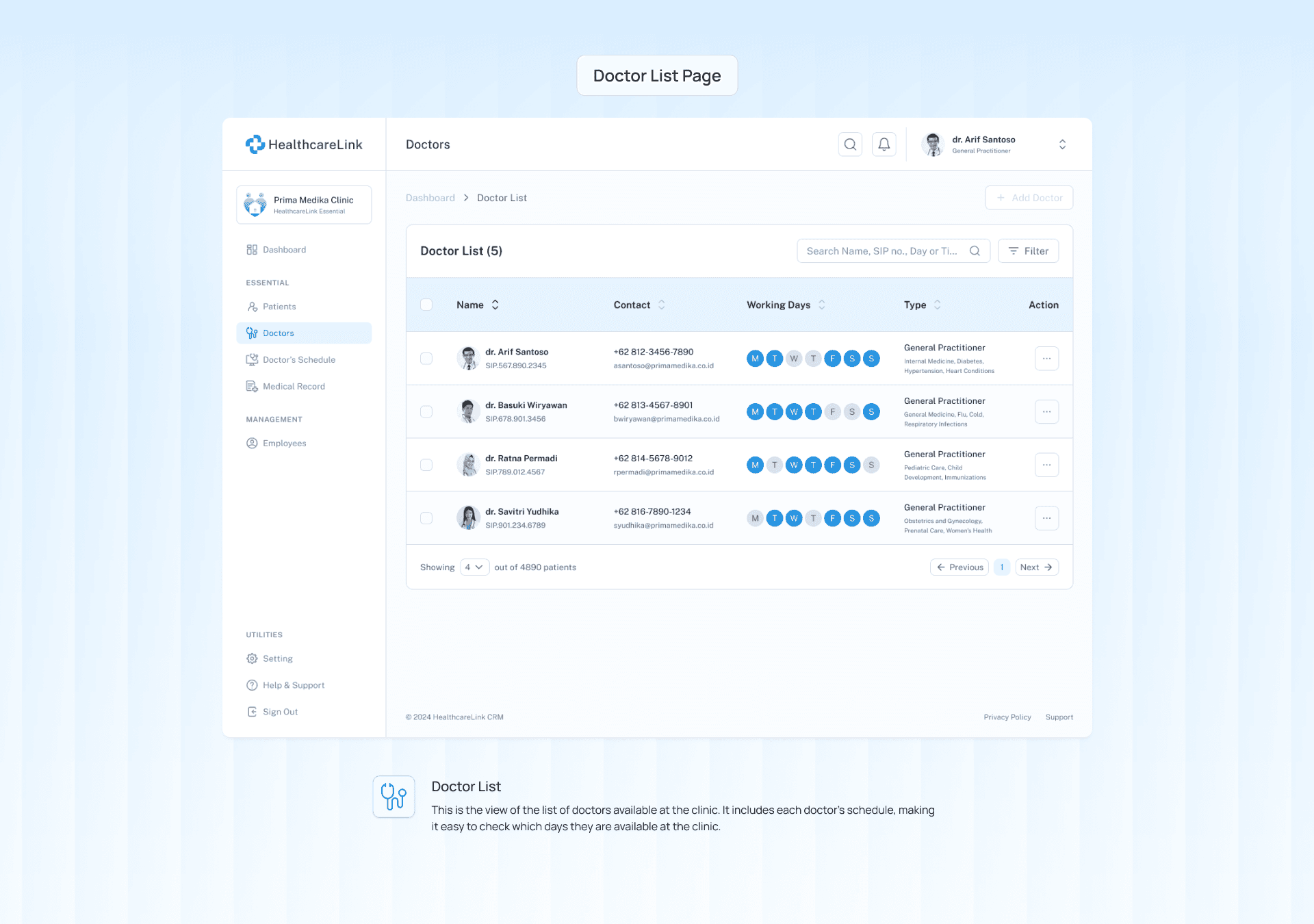
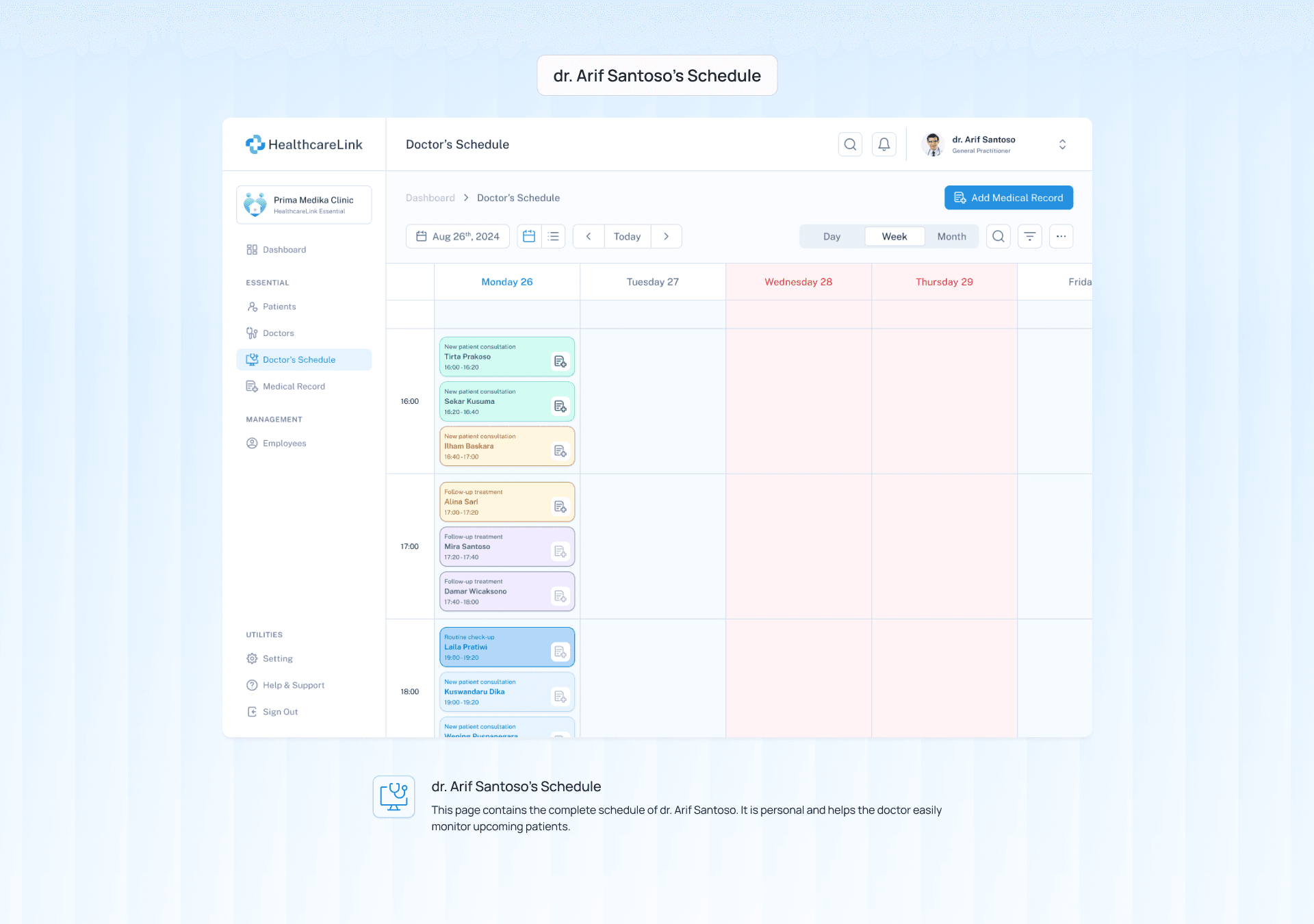
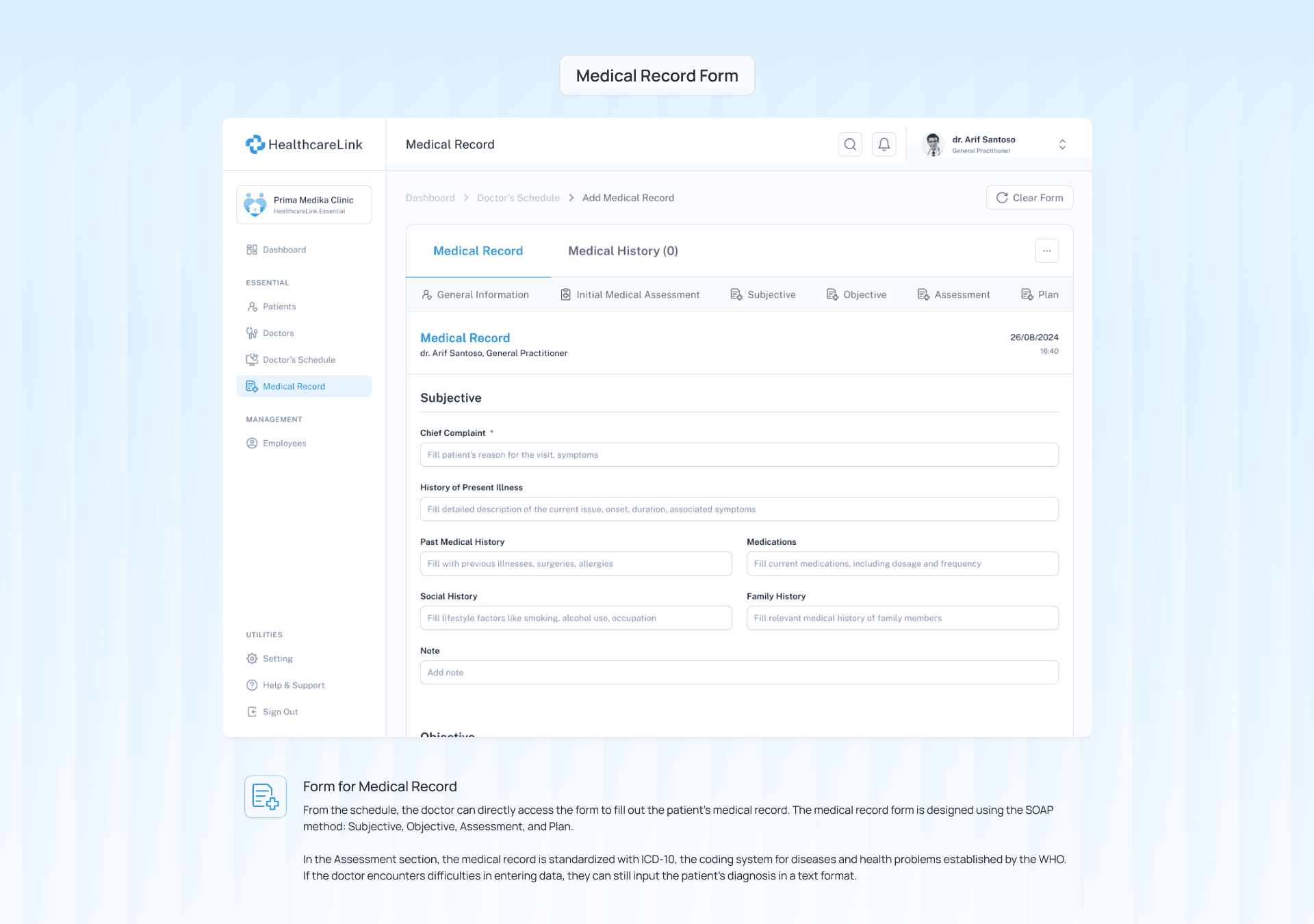
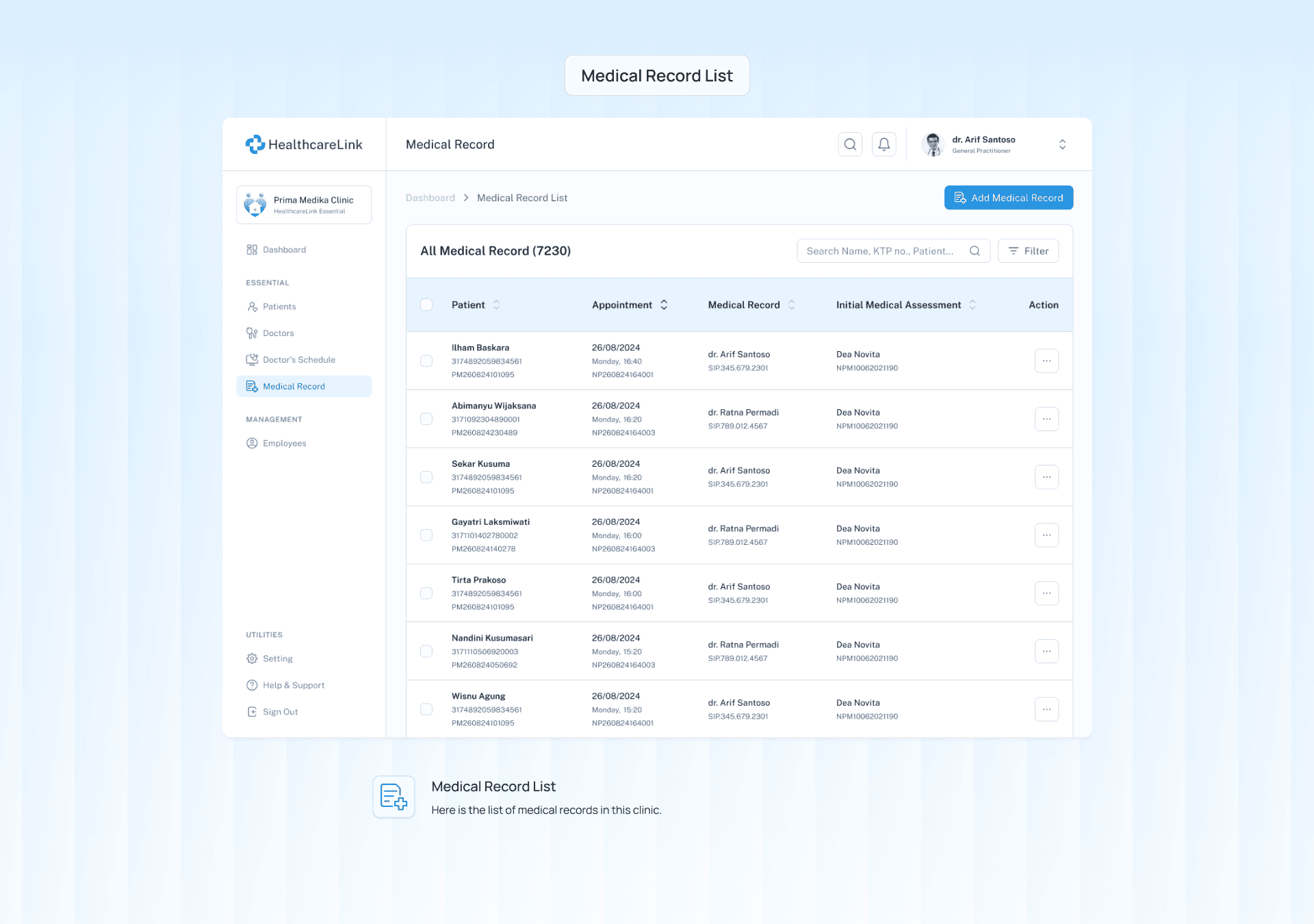
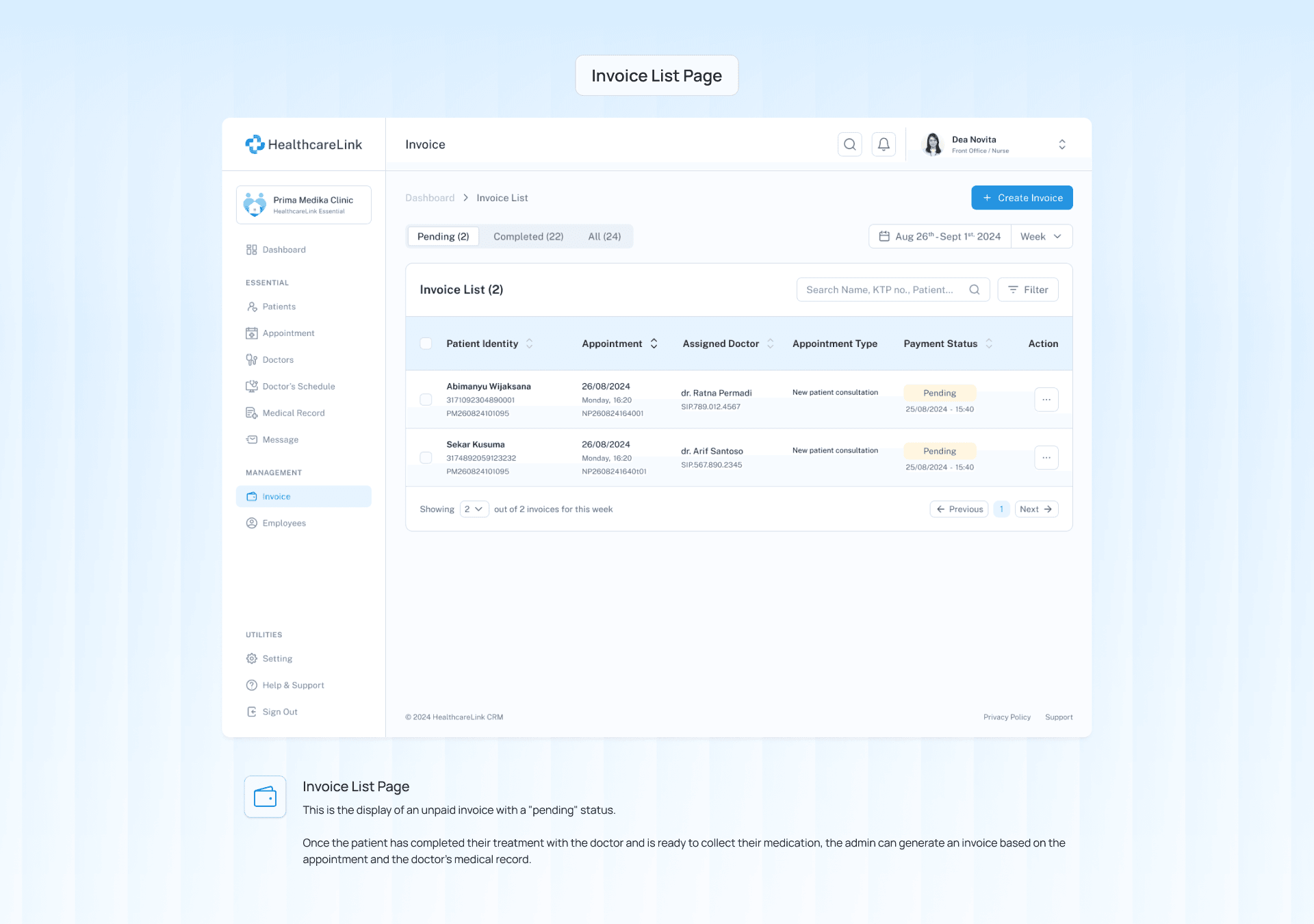
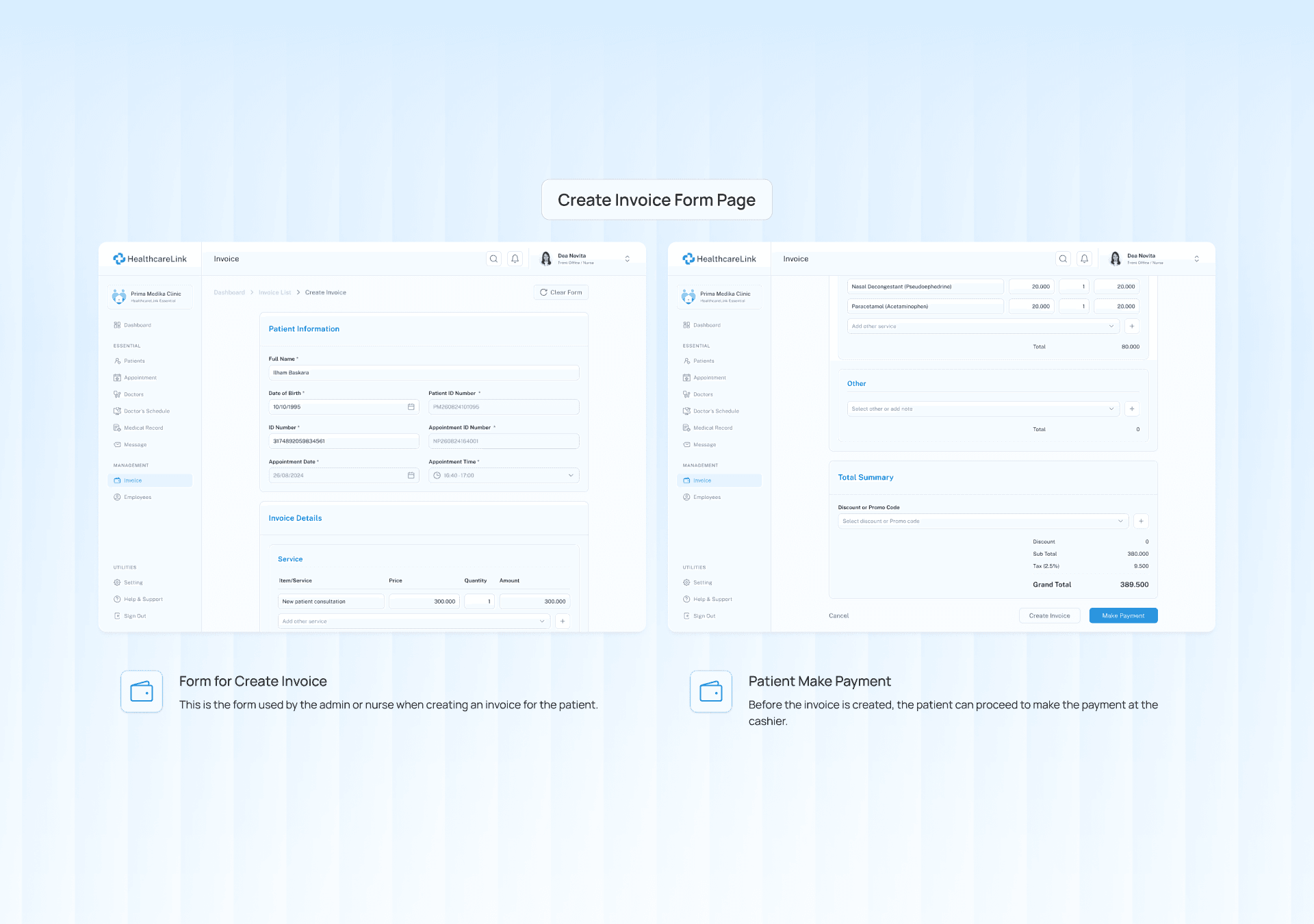
The MVP for HealthcareLink CMS (Clinic Management System) was designed with the aim of enhancing operational efficiency within clinics, addressing critical objectives such as improving patient data management, simplifying appointment scheduling, and streamlining communication channels. With these core needs in mind, HealthcareLink offers essential tools tailored to meet the unique challenges faced by low to mid-tier healthcare facilities, ensuring both clinic staff and patients benefit from a more seamless healthcare experience. Here’s the high-fidelity design that showcases how these solutions come together visually.
Here are the final designs, presented in the sequence of screens following the user flow, starting from the sign-in process, then creating an invoice, and finally making a payment.
Usability Evaluation
Validating Solutions with Users
Usability Testing
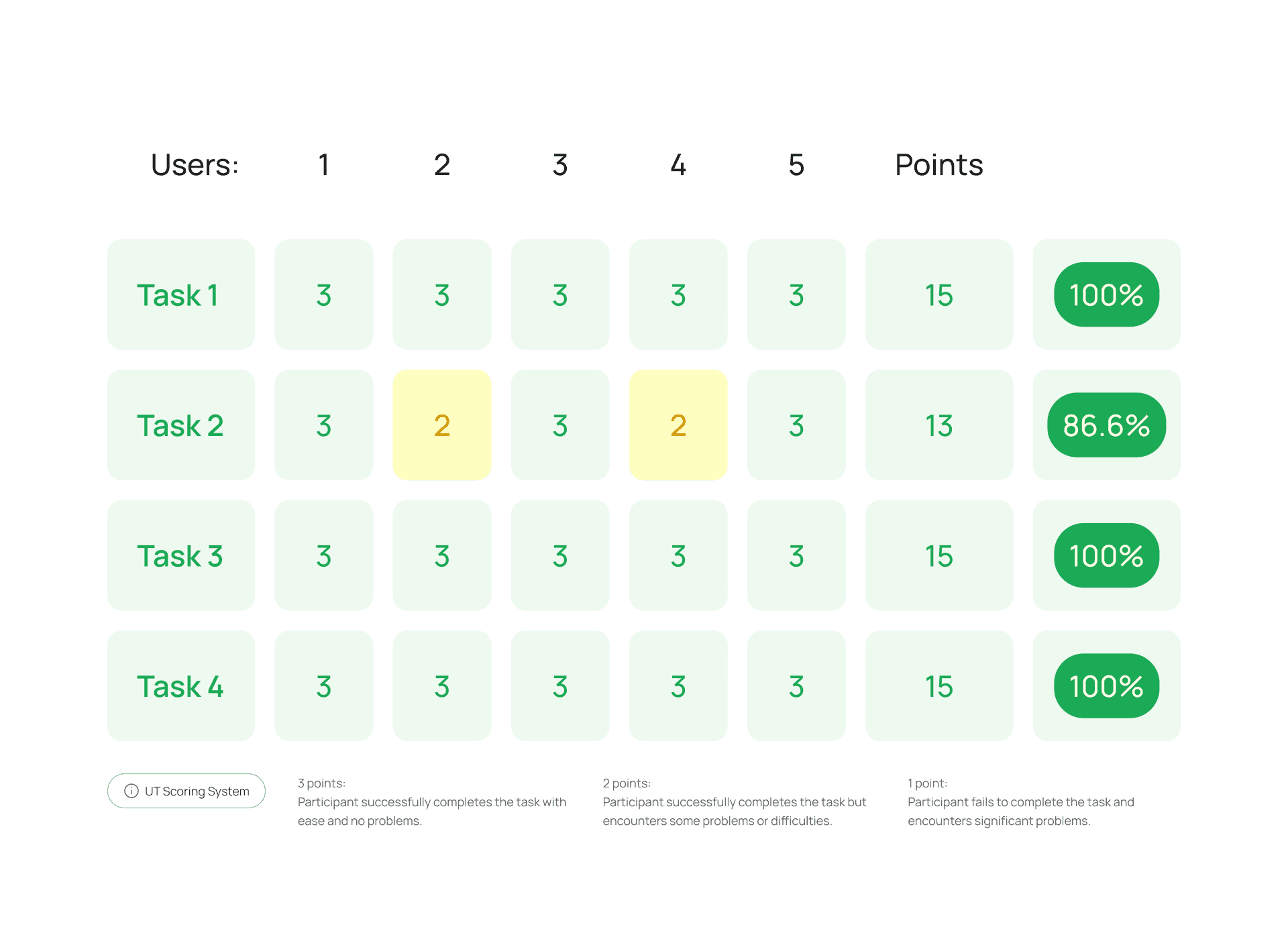
Four tasks were created to gauge users' understanding while trying out the HealthcareLink CMS and to validate the solutions outlined in the objectives section at the beginning.
Reside in Indonesia
Aged 18-30 years old
A nurse or healthcare professional from a hospital and a clinic.

Scenario:
A patient named Ilham feels unwell and heads to Prima Medika Clinic. Upon arriving, he makes an appointment. While waiting in the waiting room, a nurse checks his vital signs. Ilham then meets with the doctor and, after the consultation, proceeds to pay and collect his medication.
Participants noted that the streamlined system would greatly enhance their workflow by making administrative tasks easier, minimizing errors, and increasing productivity.
Result
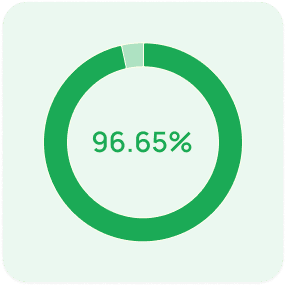
The outcome was a Clinic Management System designed to enhance the operational efficiency of clinics like Prima Medika. Usability testing showed promising results, with 96.65% of participants successfully completing tasks such as managing patient appointments, accessing medical records, and processing payments. Participants expressed that the streamlined system would significantly improve their workflow by simplifying administrative tasks, reducing errors, and boosting staff productivity. By integrating core functionalities into a single platform, HealthcareLink demonstrated the potential to transform fragmented processes into an organized, efficient workflow—ultimately leading to better care and an improved patient experience.
Lesson Learned
Working on this MVP CMS (Clinic Management System) for HealthcareLink has been an insightful journey, allowing me to gain a deeper understanding of the complexities faced by healthcare providers, particularly in clinic management in Indonesia. It taught me the importance of focusing on user flow, managing my time effectively, and how technology can address real challenges in the healthcare sector. The project aimed to create a seamless, integrated experience that empowers clinic staff and healthcare professionals by simplifying their workflow, ultimately enhancing patient care and operational efficiency.
Next
Looking ahead, my focus will be on pursuing projects that not only enhance user experience but also bring about meaningful, positive change. My goal is to continue delivering impactful products that improve lives, streamline processes, and ultimately contribute to better outcomes for both users and businesses.
If you're looking for a designer who can bring fresh perspectives and effective solutions to your next project, let's work together to make a difference!